8 Sibling Bonding Activities for Summer: Cooperative Ideas for Mixed Ages
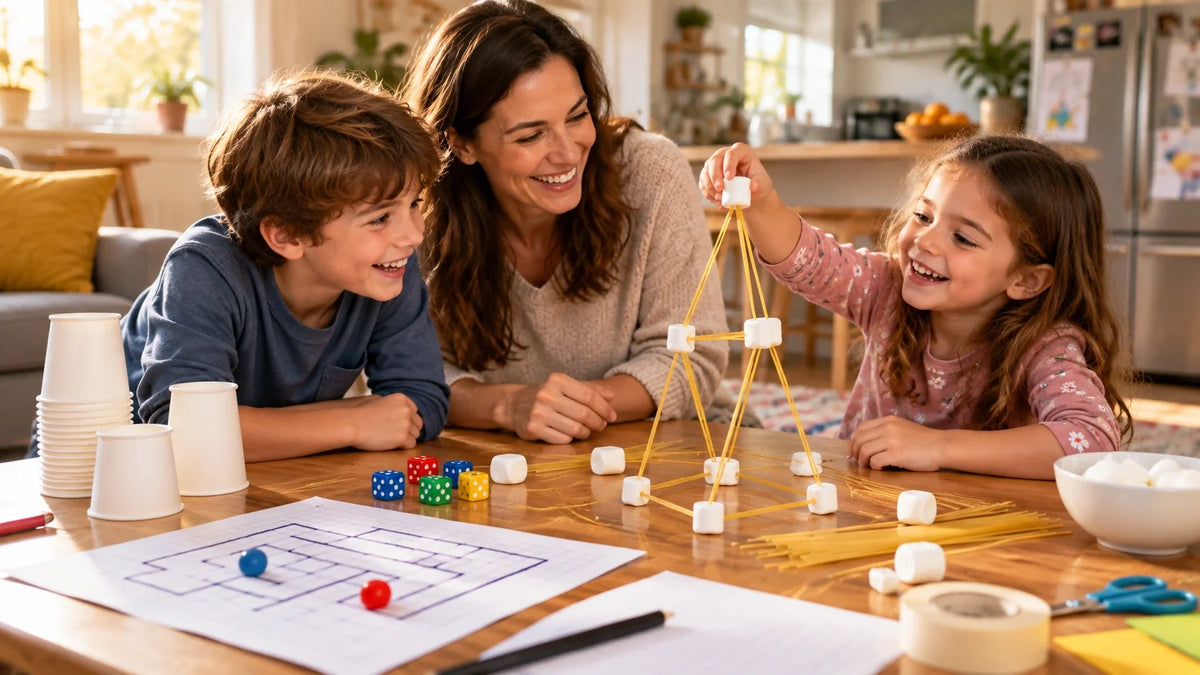
Sibling bonding activities work best when children share a goal without competing for the same job. For summer, that can mean building one fort, solving one scavenger hunt, preparing one snack board, or creating one story while each sibling contributes in a different way.
The goal is not to manufacture a perfect relationship or stop every argument. It is to create short, repeatable chances to plan, take turns, explain an idea, recover from a mistake, and finish something together. This guide gives eight options for mixed-age siblings, with clear roles and a lower-effort version for days when patience is thin.
What Makes a Sibling Activity Cooperative?
Use three rules before choosing supplies:
- One shared outcome: the pair finishes one object, mission, story, snack, score, or play space.
- Two real roles: each child owns a decision or task that matters to the result.
- No child-versus-child scoring: measure the team against a timer, a previous attempt, or a simple finish line.
The American Academy of Pediatrics suggests prompting siblings to act as partners, switching roles, choosing collaborative games, and using a turn-taking timer when needed. Its current sibling guidance also stresses that conflict is normal and that children benefit from both shared family time and individual attention. See Siblings as Playmates and Sibling Relationships: How to Help Your Kids Build Healthy Bonds.
Which Activity Fits Today?
|
Activity |
Best ages |
Time |
Setup |
Best when |
|
Shared craft |
4–12 |
30–45 min |
Medium |
Kids want a calm table project |
|
STEM build |
5–12 |
30–60 min |
Medium |
They enjoy testing and rebuilding |
|
Scavenger hunt |
4–12 |
20–40 min |
Low |
They need movement and a reset |
|
Story or puppet show |
5–12 |
30–45 min |
Low |
Their interests differ but imagination overlaps |
|
Summer snack |
4–12 |
25–40 min |
Medium |
A visible result helps motivation |
|
Balloon team games |
4–10 |
10–15 min |
Very low |
Energy is high and time is short |
|
Obstacle course |
5–12 |
15–30 min |
Low |
They need active problem-solving |
|
Fort and pretend world |
4–12 |
45+ min |
Medium |
A long indoor afternoon needs structure |
Before You Start: Give Equal-Status Roles
Do not make the older child the permanent manager and the younger child the helper. Separate tasks by interest and ability, then rotate the leadership job on the next round. A role can be simpler without being decorative: choosing the color, testing the result, announcing the next clue, or deciding a story turn can change the final outcome.
Parent step: State the shared goal, assign the first roles, set one safety boundary, and then step back. If either child says no, offer a shorter version or separate activities. Bonding is an invitation, not a consequence for fighting.
-
Make One Shared Craft With Assigned Roles
Best for: Ages 4–12 · 30–45 minutes · medium setup
Materials: Cardboard, washable glue, markers, fallen leaves, clean recyclables, tape, stickers, and child-safe scissors

A shared craft works better when materials and responsibilities are divided before children reach for the same tool.
Choose one object large enough for both children to change: a nature collage, cardboard robot, pretend storefront sign, or paper neighborhood. Avoid two matching crafts. Matching results invite comparison; one shared result makes cooperation visible.
How to run it
- Agree on one theme and one finish line, such as a robot with three moving-looking parts or a collage that covers half the cardboard.
- Split the first jobs. One sibling sorts and arranges; the other attaches or outlines. Switch jobs after ten minutes if both want a turn.
- End with one joint decision: the project name, where it will be displayed, or one detail that still needs to be added.
Mixed-age role ideas
- Younger sibling: collect, sort, press large stickers, choose colors, or paint broad areas.
- Older sibling: measure, cut difficult shapes with an adult nearby, assemble, or write labels.
- Both: decide the theme and approve the final feature.
Safety: Adults handle craft knives, staplers, hot glue, strong adhesives, and difficult cutting. Keep beads, caps, and loose buttons away from children who still mouth objects. Inspect the finished craft for sharp edges before it becomes a toy.
-
Set One Shared STEM Building Challenge
Best for: Ages 5–12 · 30–60 minutes · medium setup
Materials: Cardboard tubes, paper cups, craft sticks, straws, tape, string, blocks, toy cars, and a timer
Give the siblings one target and one structure: a bridge that holds three toy cars, a marble path that reaches a cup, or a tower that stands for ten seconds. Keep the first rule simple enough that testing begins quickly. The learning happens in the rebuild, not in a long planning lecture.
Three-job cycle
- Planner: sketches one idea and names the constraint.
- Builder: assembles the first version.
- Tester: adds weight, times the attempt, and describes where movement starts.
Rotate after each test so no child gets stuck as the assistant. When the design fails, ask one question: Which part moved first? Offer one clue only if frustration stops the thinking.
Low-frustration version: Limit the build to six materials and two tests. Too many choices can turn a simple challenge into a debate.
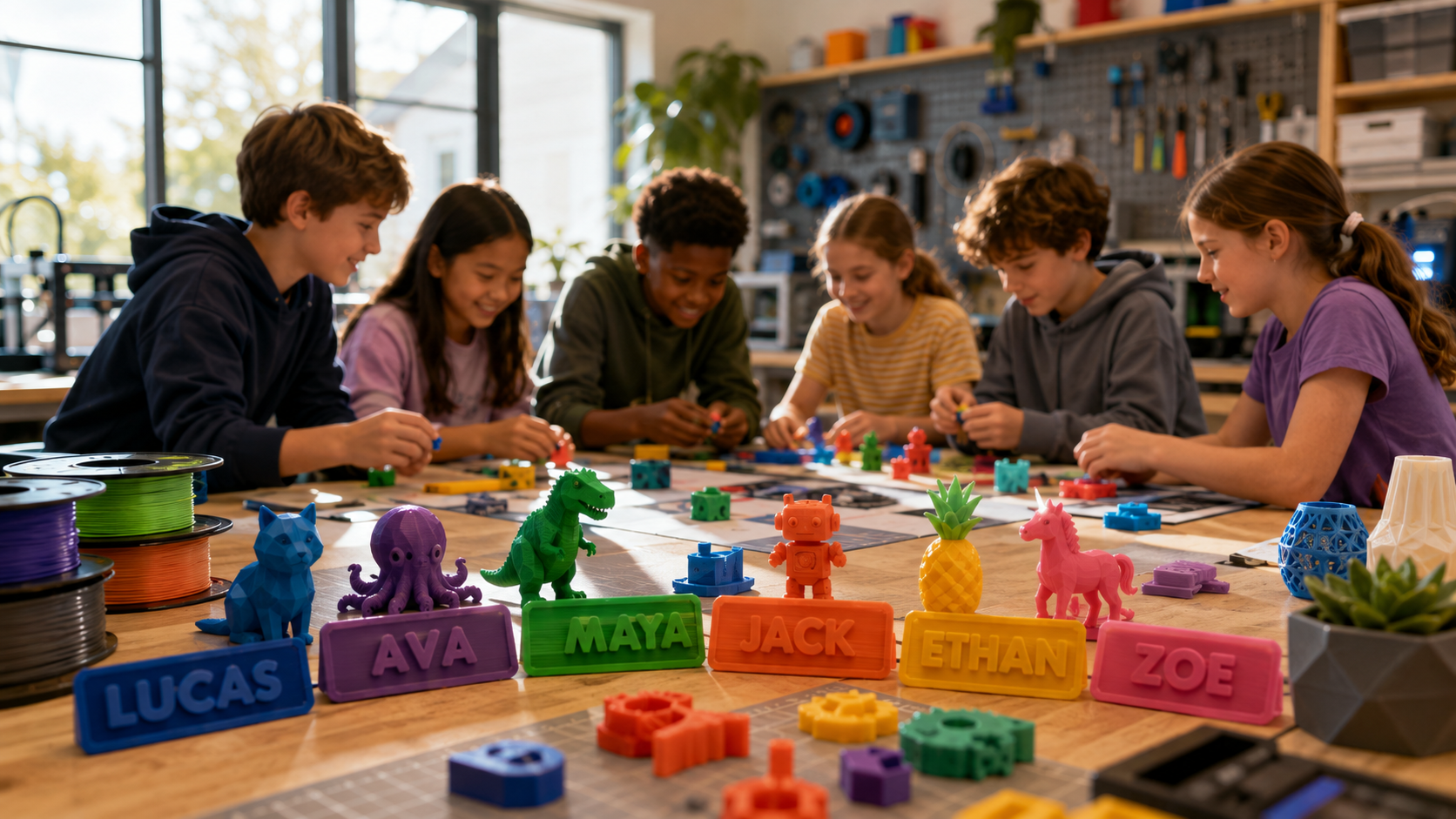
If the pair already likes making physical toys, these 3D printing projects for siblings extend the same role cycle: one child chooses or modifies a part, the other selects color and tests the finished game piece, then the roles switch next session.
-
Run One-Basket Outdoor Scavenger Hunt
Best for: Ages 4–12 · 20–40 minutes · low setup
Materials: One basket, 8–12 written or picture clues, water, and optional crayons for texture rubbings

One basket and one clue list turn the hunt into a shared mission instead of two competing collections.
Write clues such as something smooth, a Y-shaped stick, a leaf with two colors, and a rock smaller than a thumb. Give the pair one basket. One child handles the clue card while the other searches; swap after every find. Do not count who spotted more.
Adjust the hunt without removing either child
- For a pre-reader, use picture clues and let that child be the spotter.
- For a wide age gap, let the older child decode a riddle while the younger child confirms the matching object.
- For limited mobility, search one accessible area and add sound, color, shadow, or texture clues that do not require reaching the ground.
- For restless kids, add one coordination task every three finds, such as carrying the basket together to the next marker.
Safety: Stay away from traffic, private property, water hazards, and treated landscaping. Do not collect mushrooms, berries, unknown plants, insects, or sharp objects. Wash hands afterward.
-
Create a Storybook or Puppet Show Together
Best for: Ages 5–12 · 30–45 minutes · low setup
Materials: Printer paper, crayons, washable markers, tape, craft sticks, and a stapler used by an adult

Writing and illustration create different but equally important jobs inside one story.
Start with one sentence: A tiny dragon found a lunchbox under the porch. Each sibling adds the next event. The only rule is that a new idea must build on what already happened; it cannot erase the other child's contribution.
Choose the structure that fits their strengths
- Writer and illustrator: the illustrator still makes story decisions by choosing expressions, settings, and visual details.
- Character designer and narrator: act out the scene with paper puppets before anyone writes.
- Two narrators: record the story orally while an adult writes one sentence per turn.
Finish with a three-minute family performance. One child narrates while the other moves the puppets, then switch for the final scene. Praise a specific cooperative move rather than naming a better performer.
-
Prepare One Summer Snack as a Team
Best for: Ages 4–12 · 25–40 minutes · medium setup
Materials: Ingredients for wraps, fruit skewers, trail mix, personal pizzas, or one shared snack board

Parallel kitchen jobs reduce waiting and give both siblings visible ownership of the finished snack.
Pick a recipe with jobs that can happen at the same time. One snack board usually works better than two decorated cupcakes because the children contribute to one spread instead of comparing two results.
|
Stage |
Sibling A |
Sibling B |
|
Prepare |
Washes and dries produce |
Sets out bowls, wrappers, and toppings |
|
Measure |
Reads or counts portions |
Pours and stirs |
|
Assemble |
Spreads the base |
Arranges toppings |
|
Finish |
Watches the timer |
Returns tools and wipes the station |
Safety: An adult handles the oven, stovetop, boiling water, sharp knives, and allergen checks. Turn pan handles inward. Do not taste raw flour or raw egg mixtures.
-
Try Balloon and Beach-Ball Team Games
Best for: Ages 4–10 · 10–15 minutes · very low setup
Materials: One balloon, one lightweight ball, one beach towel, and a cleared floor area

Towel bounce makes success depend on timing and communication rather than strength or speed.
Start with one team score. The children are trying to beat their previous attempt, not each other:
- Keep one balloon off the floor for 30 seconds.
- Complete ten towel bounces in a row.
- Carry the ball across the room on the towel without dropping it.
- Keep two balloons moving for 20 seconds after the first round succeeds.
Conflict reset: If one child blames the other, stop the score. Ask each child for one change the team can make, such as holding the towel lower or using slower lifts, then allow one final attempt.
Safety: Move lamps, sharp furniture, unstable rugs, pets, and breakable objects. Do not play near stairs or ceiling fans. Stop before high energy turns into reckless movement.
-
Build a Cooperative Obstacle Course
Best for: Ages 5–12 · 15–30 minutes · low setup
Materials: Pillows, tape lines, cardboard boxes, hoops, sidewalk chalk, a beach towel, and a soft ball
Give one child the designer role and the other the safety tester. The tester checks whether each station is clear, possible, and stable, then uses specific feedback: The box slides when I step here. After one run, the roles switch and the new designer may change two stations.
Add one station that cannot be completed alone
- Carry a lightweight ball on a towel.
- Move a stuffed animal on a cardboard tray held by both children.
- Walk through a taped path while each sibling holds one end of a pool noodle and both can let go instantly.
15-minute version: Use five minutes to build four stations, five minutes to run them, and five minutes to switch roles or change one station.
Safety: Never tie children together or attach ropes to their bodies or clothing. Remove slippery rugs and keep every challenge low enough that a fall will not cause injury.
-
Build a Shared Fort and Pretend World
Best for: Ages 4–12 · 45 minutes or longer · medium setup
Materials: Stable chairs, sofa cushions, large boxes, lightweight blankets, signs, books, and pretend-play props

The fort provides two phases of cooperation: building the structure and creating the pretend world inside it.
Decide how many people and toys need to fit before moving furniture. One child arranges supports while the other gathers light blankets; both check that the entrance remains open. Then each sibling chooses one feature that must be included, such as a reading corner, pet clinic, spaceship control panel, or snack-shop counter.
Agree on four rules before play begins
- Name the theme and give both children a role that can switch.
- Choose which toys may enter and where each child has a small personal spot.
- Decide what happens when someone wants quiet or wants to leave.
- Set the cleanup time before the fort is finished.
Safety: Use lightweight fabric, keep a clear exit, and keep heaters, lamps, cords, and string lights away from blankets. An adult should check chair stability before children enter.
Optional Maker Extension: Print One Part of the Game
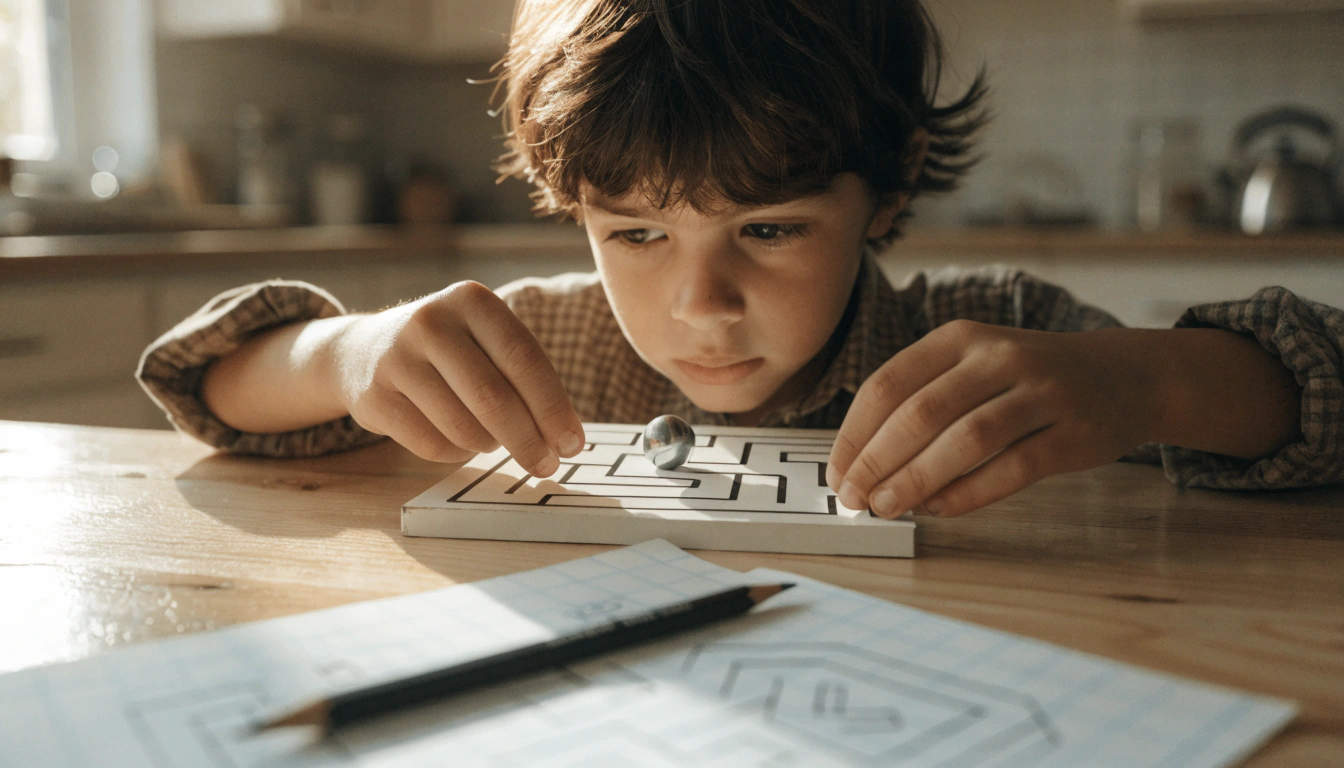
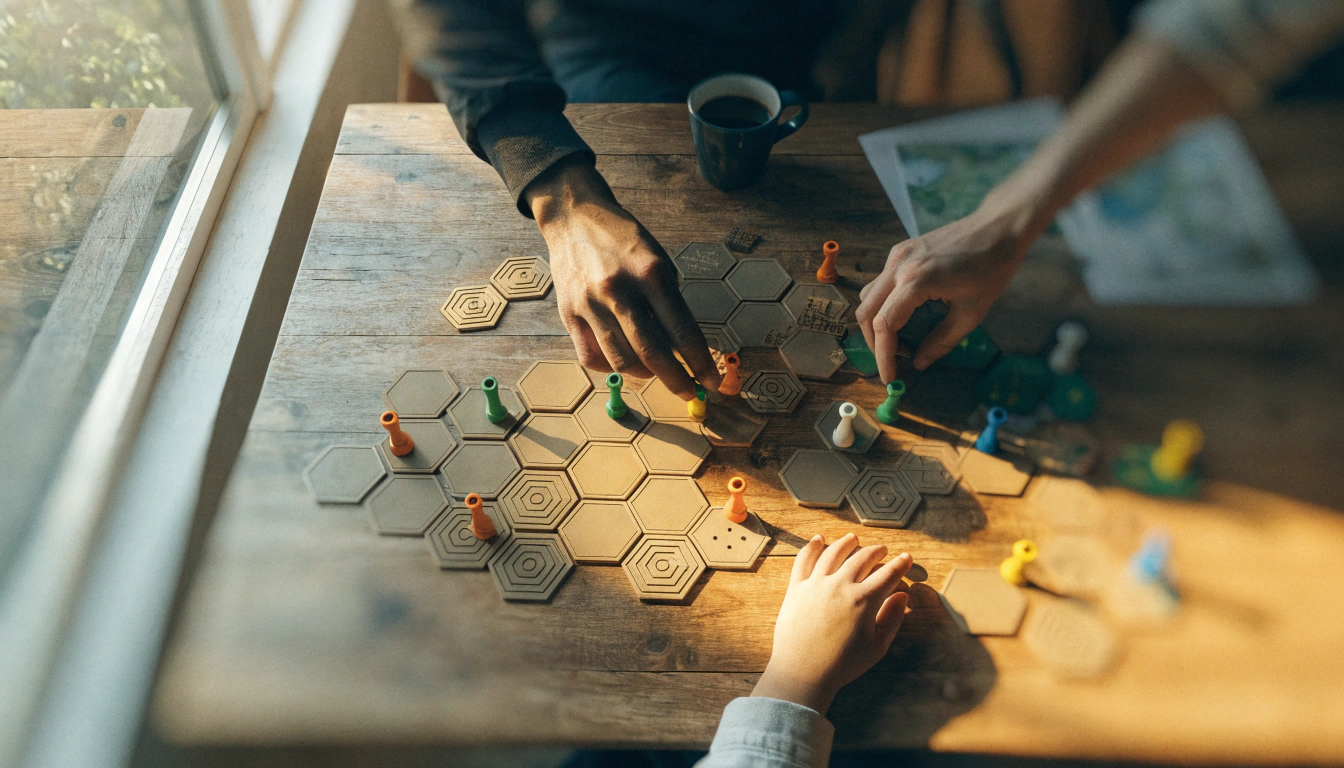
A 3D printer is not required for any activity above. It becomes useful when siblings repeatedly want new bridge connectors, game tokens, signs, maze pieces, or story characters and both children can influence the result. Keep the printer as a short extension to the shared project, not the main reason for the activity.

Product-led concept image retained from the source file. Verify the chassis, interface, and visible branding against the approved X-MAKER JOY asset before publication.
A workable sibling role split is:
- Sibling A chooses or modifies the model.
- Sibling B chooses the color and defines how the piece will be tested in the game.
- Both inspect the cooled piece with an adult before play, then switch decision roles next session.
For younger beginners, the AOSEED X-MAKER JOY 3D printer for kids ages 4–12 uses an enclosed PLA-printing design and app-guided workflow. Adult supervision is still required during setup, printing, removal, and inspection; children should not touch the nozzle, build area, or fresh print until an adult says it is safe.
What to Do When the Activity Turns Into an Argument
Do not force the pair through a project that has become another contest. Use a short reset:
- Name the bottleneck without choosing a winner: Both of you want the same tool, and the project only has one.
- Ask each child to state one need in one sentence.
- Offer a role switch, a duplicate low-cost tool, a timer, or a two-minute separate break.
- Resume for one small finish line. If blame or unsafe behavior continues, stop and try another day.
Sibling conflict is normal. A research review describes sibling relationships as important contexts for learning about conflict, support, and social understanding, but it does not support promising that one activity will create closeness. See the review of sibling relationships in childhood and adolescence. ZERO TO THREE likewise recommends allowing children room to play well together while stepping in when they need help managing conflict. See Raising Siblings Who Stick Together.
How to Adjust for a Wide Age or Ability Gap
|
Problem |
Adjustment |
|
Older child dominates |
Give the younger child one final-decision role; rotate leadership next session |
|
Younger child cannot read |
Use picture clues, color choices, object matching, or oral instructions |
|
Fine-motor demands differ |
Separate precision work from arranging, testing, narrating, or timing |
|
One child needs movement |
Add a collecting, carrying, or testing role instead of requiring long sitting |
|
One child dislikes pretend play |
Choose a build, cooking task, hunt, or score-based team challenge |
|
One child wants to stop |
End the shared portion and let each child continue separately without penalty |
Equal does not mean identical. It means each child has a contribution with visible value and the freedom to decline. Shared activities should sit beside individual interests and one-on-one parent time, not replace them.
FAQs
What are the best sibling bonding activities for a wide age gap?
Choose activities with several levels of contribution and no speed-based winner. Strong options include:
- A shared fort, where one child plans structure and the other chooses the pretend-world details.
- A scavenger hunt, where one child decodes clues and the other spots matching objects.
- A snack board, where measuring and arranging happen in parallel.
- A storybook, where writing, drawing, acting, and narrating are equally necessary roles.
What if siblings argue during a bonding activity?
Pause the activity before the argument becomes the main event. The most common causes are one bottleneck tool, unclear ownership, unequal roles, fatigue, or a goal that is too difficult.
- Name the practical problem without deciding who is bad.
- Let each child state one need.
- Change the structure with a timer, role switch, duplicate tool, smaller finish line, or short break.
- Stop if behavior becomes unsafe or blame continues.
Should I make siblings play together?
No. Invite shared play, but do not force it or use it as punishment after a fight. Siblings also need separate interests, private space, and individual time with caregivers. A willing ten-minute project is more useful than an hour-long activity one child is required to endure.
What can siblings do together in 15 minutes?
- Keep a balloon in the air for 30 seconds, then add one rule.
- Build four obstacle-course stations, run them, and switch one role.
- Find five objects from one picture scavenger list.
- Draw one silly character by taking 60-second turns.
- Build a paper-cup tower that stands for ten seconds.
How often should siblings do bonding activities?
There is no required schedule. Start with one short shared activity each week, repeat the options the children request, and stop while the experience is still going well. Frequency matters less than consent, predictable roles, and enough separate time that togetherness does not feel compulsory.
Conclusion
The most effective sibling bonding activities do not ask children to feel close on command. They give siblings one concrete mission, two meaningful roles, and enough flexibility to contribute at different levels. A bridge, snack board, story, fort, or ten-minute balloon challenge can all create useful practice when the shared outcome matters more than who was best.
Start with the activity that fits today's energy and stop before cooperation turns into endurance. If making physical game pieces becomes a repeated family interest, compare AOSEED 3D printers for kids by age fit and workflow after the children have shown that they enjoy the design-and-play cycle.
Sources
- American Academy of Pediatrics, Sibling Relationships: How to Help Your Kids Build Healthy Bonds
- American Academy of Pediatrics, Siblings as Playmates: 5 Ways to Help Prevent Squabbles
- ZERO TO THREE, Raising Siblings Who Stick Together
- McHale, Updegraff, and Whiteman, Sibling Relationships and Influences in Childhood and Adolescence.




Further reading

Thanksgiving STEM Activities for Kids: Table Projects and Simple Engineering Challenges

Halloween STEM Activities for Kids: Spooky Builds That Teach Real Science

STEM Crafts for Kids: Build, Decorate and Test