STEM Experiments for Kids: Measurable Tests Families Can Run at Home
Ten drops. That was the gap the first time we ran the penny test at a kitchen table, plain water against soapy water.
The number stuck with the kids, not the mess. Most lists of STEM experiments for kids skip that part. They show the fizz and stop.
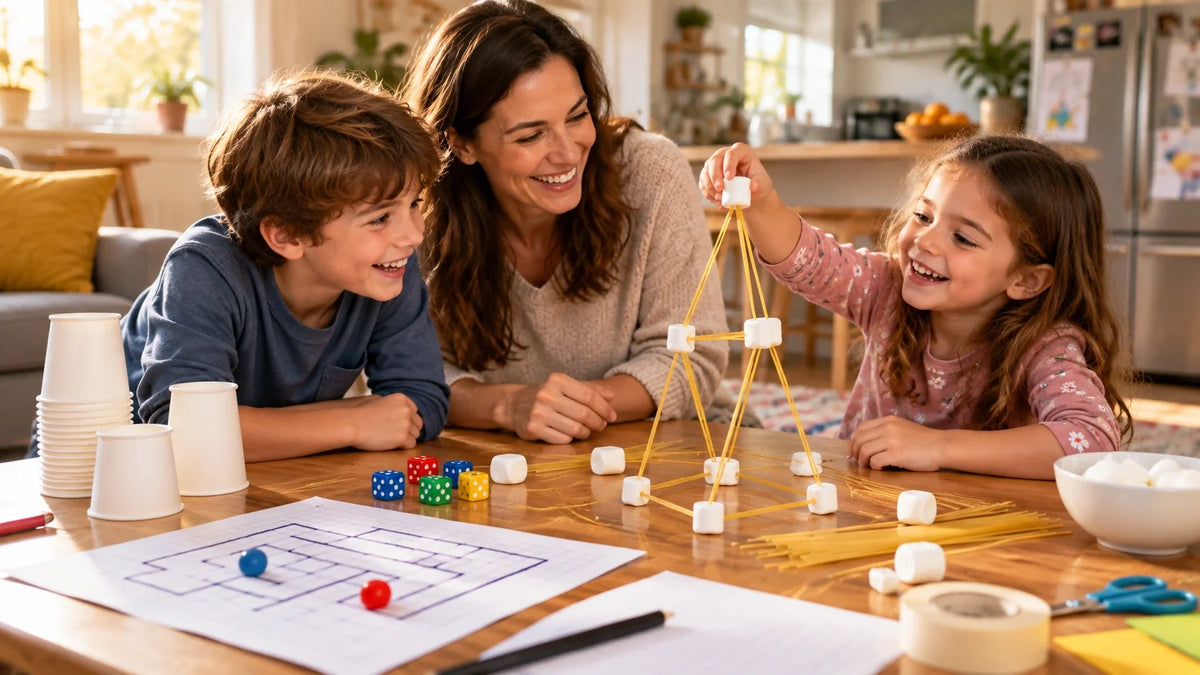
This guide does the opposite. Eight experiments, each with one thing to change and one thing to measure. Most take five minutes to set up.
The eight tests at a glance
|
Experiment |
Ages |
Time |
Change |
Measure |
|
Walking water |
3+ |
30 min |
Paper type |
Height climbed, cm |
|
Balloon rocket |
5+ (adult handles balloon) |
15 min |
Breaths of air |
Distance, cm |
|
Craft stick bridge |
7+ |
45 min, dry overnight |
Bridge design |
Pennies held |
|
Paper airplanes |
6+ |
20 min |
Wing shape |
Average distance, cm |
|
Balloon inflator |
6+ (adult handles balloon) |
15 min |
Spoons of baking soda |
Balloon size, cm |
|
Drops on a penny |
5+ |
10 min |
Soap or no soap |
Drops before spill |
|
Foil boats |
4+ |
20 min |
Boat shape |
Pennies before sinking |
|
Shadow tracker |
4+ |
One sunny day |
Time of day |
Shadow length, cm |
Why Measuring Matters More Than the Fizz
 A demo shows something happening. An experiment asks how much, and what changes it.
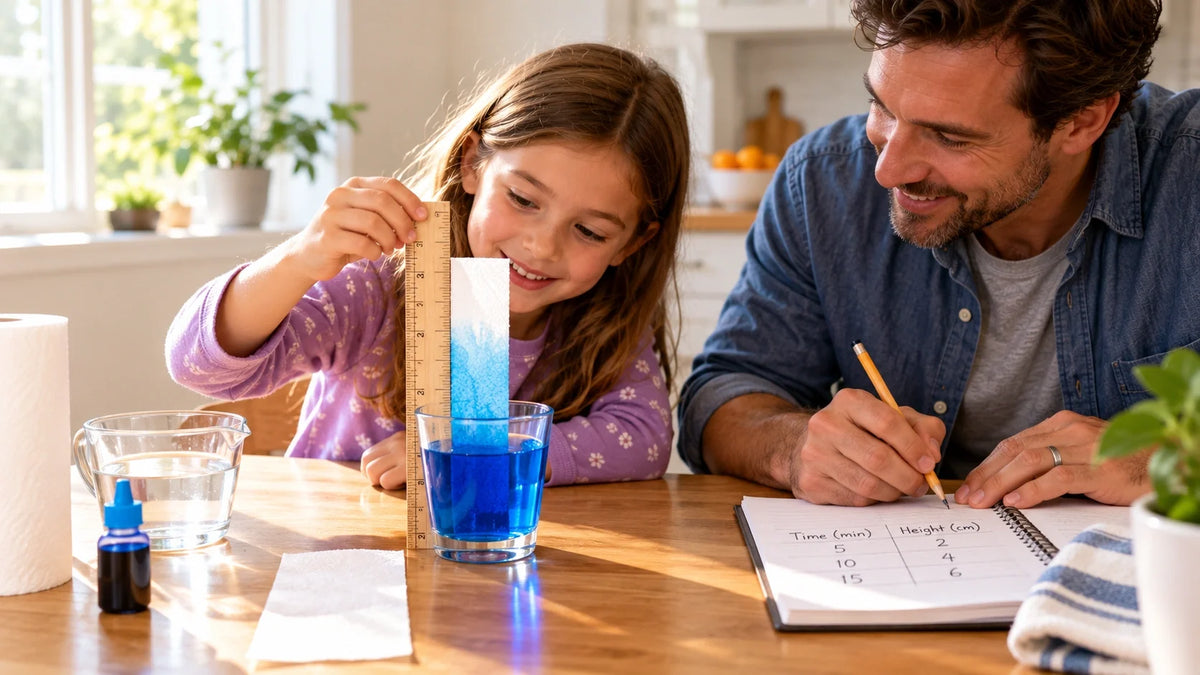
Take walking water. Watching color creep up a paper towel is fun for two minutes. Asking whether a napkin beats a coffee filter gives your child a reason to pick up a ruler.
Schools teach this too. The Next Generation Science Standards describe science and engineering practices as what scientists do to investigate and what engineers do to design and build. The National Academies framework those standards come from makes those practices one of three dimensions of science learning.
Change One Thing at a Time
Only one. Change the paper and the water temperature together and you cannot tell which one mattered. Write the variable at the top of the page first.
Run Each Version Three Times
One run can be luck. A draft moves a paper plane. A straw sticks. Three runs and an average fix that. Younger kids can just circle the middle number.
|
Tip: get a prediction on paper first. A drawing counts. The gap between guess and result is what your child remembers. |
The Shoebox Kit You Need

Nothing here comes from a science store. Keep it in one box.
|
Item |
Used For |
Note |
|
Ruler or tape measure |
Distance, height, length |
Centimeters are easier to average than inches. |
|
Phone stopwatch |
Time |
Same person starts and stops it each run. |
|
Measuring spoons, 1/2 cup |
Ingredients |
Level each spoon with a butter knife. |
|
Jar of pennies |
Weight |
A modern US penny is about 2.5 g. |
|
Eyedropper or straw |
Counting drops |
Squeeze slowly. |
|
String |
Curved lengths |
Wrap, pinch, then lay it on the ruler. |
|
Notebook, pencil |
Results |
Draw the table before the first run. |
|
Safety: two tests use balloons. The U.S. Consumer Product Safety Commission lists balloons as a suffocation danger for children under 8. An adult should handle them and bin broken pieces right away. Keep vinegar away from eyes. |
8 STEM Experiments for Kids That Produce Real Numbers
Pick one. Run it three times. Record the results in the table further down the page.
1. Walking Water: Which Paper Pulls Color Highest?
Good for preschoolers. The result is easy to see.
You need: a clear cup, water, food coloring, a paper towel, a napkin, a coffee filter, scissors, a ruler, a timer.
1. Half fill the cup and stir in 5 drops of coloring.
2. Cut a strip from each paper, 2 cm wide and 15 cm long.
3. Dip the first strip 1 cm into the water. Start the timer.
4. At 10 minutes, measure how far above the waterline the color reached.
5. Do the other two papers, then repeat the set twice.
The climbing is capillary action. According to the USGS, water molecules cling to the paper fibers and pull more water up behind them until gravity stops the climb. Fiber thickness changes how far it gets.
2. Balloon Rocket: Breaths of Air Against Distance

Kids ask to run it again and again. Good, you need the repeats.
You need: about 4 m of string, a straw, tape, balloons, a tape measure, two chairs.
1. Put the straw on the string, then tie the string tight and level between the chairs.
2. An adult blows 3 breaths into a balloon, pinches it, and tapes it under the straw.
3. Line the straw up with a tape mark on the string and let go.
4. Measure from the mark to where the straw stopped.
5. Try 5 breaths, then 7. Three runs each.
Air goes out the back, the balloon goes forward. NASA Glenn Research Center explains Newton's third law the same way: when one object pushes on another, the second pushes back with an equal and opposite force. More air means a longer ride, up to a point. Friction on the string catches up.
3. Craft Stick Bridge: Pennies Until It Breaks
Our favorite for kids 7 and up. The crack gets a cheer, then everyone rebuilds.
You need: 40 craft sticks, white glue, two equal stacks of books, a small paper cup, pennies.
1. Put the book stacks 20 cm apart.
2. Bridge A uses 20 sticks glued flat, side by side, overlapping to cross the gap.
3. Bridge B uses the other 20. Same deck, but some sticks form triangles along the sides.
4. Let both dry overnight.
5. Set the cup in the middle and add pennies one at a time until the bridge cracks or sags onto the table.
Same sticks, different shape. Triangles spread the load across several sticks, which is why real truss bridges use them. Multiply pennies by 2.5 for grams.
4. Paper Airplanes: Narrow Wings or Wide?
This test shows why averages exist. Two throws of one plane can land a meter apart.
You need: identical sheets of printer paper, masking tape for a start line, a tape measure.
1. Fold one narrow wing dart and one wide wing glider.
2. Choose one thrower for every flight.
3. Throw each plane 5 times from the line.
4. Measure to where the nose first hits the floor.
5. Add up each plane's five distances and divide by 5.
Wide wings give more lift and glide. Narrow darts have less drag and fly faster. The thrower matters a lot.
5. Balloon Inflator: How Much Gas From Baking Soda?
The volcano again, but the gas gets caught and measured.
You need: a small plastic bottle, white vinegar, baking soda, a funnel, balloons, string, a ruler.
1. Pour 1/2 cup of vinegar into the bottle.
2. An adult funnels 1 teaspoon of baking soda into a balloon.
3. Stretch the balloon over the bottle neck and lift it so the powder falls in.
4. Once the fizzing stops, wrap string around the widest part and measure it.
5. Repeat with 2 and then 3 teaspoons, fresh vinegar each time.
Vinegar is an acid and baking soda is a base. Together they make carbon dioxide, which fills the balloon. The third teaspoon adds less than the second because the vinegar runs out. Chemists call that the limiting reactant.
6. Drops on a Penny: Plain Water Against Soapy Water
Ten minutes, one coin. Fine for a school night.
You need: a penny, an eyedropper or a straw, water, dish soap, paper towels.
1. Set a dry penny on a paper towel.
2. Add plain water one drop at a time, counting out loud, until the dome spills.
3. Dry the penny. Do it twice more.
4. Mix 1 drop of dish soap into 1/4 cup of water.
5. Run three more trials with the soapy water.
Water molecules hold on to each other, so a dome builds. The USGS page on surface tension notes that soaps and detergents weaken that pull. The soapy dome spills sooner.
7. Foil Boats: How Many Pennies Before It Sinks?

Widest age range on the list. A four year old counts coins. A twelve year old explains the result.
You need: three 15 cm squares of aluminum foil, a bowl or sink of water, pennies.
1. Make a flat raft, a tall narrow cup, and a wide shallow tray.
2. Float the first one.
3. Add pennies one at a time, spread out, until water comes over the edge.
4. Write down the last count before it went under.
5. Test the other two, then repeat the set.
Boats float by pushing water aside. The wide tray moves more water, so it carries more pennies.
For preschoolers: play sink or float with a spoon, a cork, a crayon, and a lid. Tally right and wrong guesses.
8. Shadow Tracker: When Is the Shadow Shortest?
The slow one. Save it for a sunny Saturday.
You need: a sunny patch of ground, an upright object about 30 cm tall, chalk, a tape measure.
1. Trace around the base of the object so it goes back in the same spot.
2. At 9 a.m., mark the tip of the shadow and measure it.
3. Measure again every hour until 3 p.m.
4. Write each time and length in the notebook.
5. Draw a bar graph with one bar per hour.
The sun is highest around midday, so shadows are shortest then. During daylight saving time that is closer to 1 p.m. Most kids guess noon.
How to Write Down Results

A results table turns play into an experiment. Here is one from the balloon rocket.
|
Version |
Guess |
Run 1 |
Run 2 |
Run 3 |
Average |
|
3 breaths |
150 cm |
142 cm |
155 cm |
148 cm |
148 cm |
|
5 breaths |
|
|
|
|
|
|
7 breaths |
|
|
|
|
|
Make a Graph
Versions along the bottom, averages up the side. Six year olds can color one square per 10 cm. Tweens can build a bar chart in a free spreadsheet, which covers the technology in STEM.
Finish With One Sentence
"When we changed ___, the ___ went up (or down) by about ___." Older kids add a reason and a next test.
|
Editor's note: a wrong prediction is still a good result. Say so. |
Which Experiments Fit Which Age
Same experiments, different depth.
|
Age |
Can Measure |
Start With |
Parent Does |
|
3 to 5 |
Counting, more or less |
Foil boats, sink or float, walking water with a crayon line |
Sets up, reads numbers aloud, stops at 15 minutes |
|
6 to 8 |
Whole centimeters, timers, tallies |
Penny drops, paper airplanes, balloon rocket |
Handles balloons, helps line up the ruler |
|
9 to 12 |
Averages, bar graphs |
Bridge, balloon inflator, shadow tracker |
Checks safety, asks why |
|
13 and up |
Percent change, own questions |
Any test with a variable they pick, printed test parts |
Reads the write up |
With a 3 year old, keep it to guessing and looking. "Will it sink?" Drop it in. That is the whole experiment.
Printing Your Own Test Parts
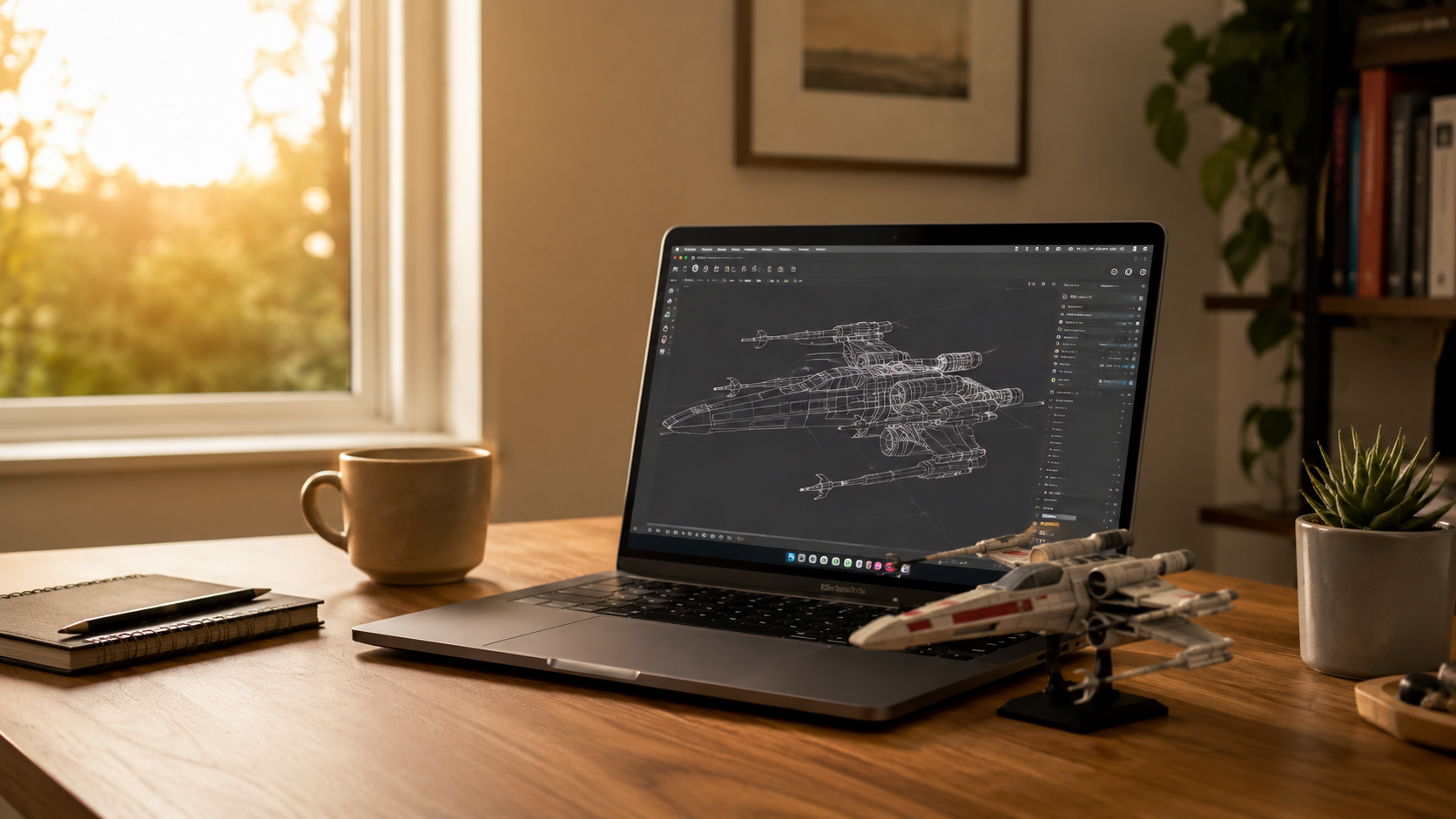
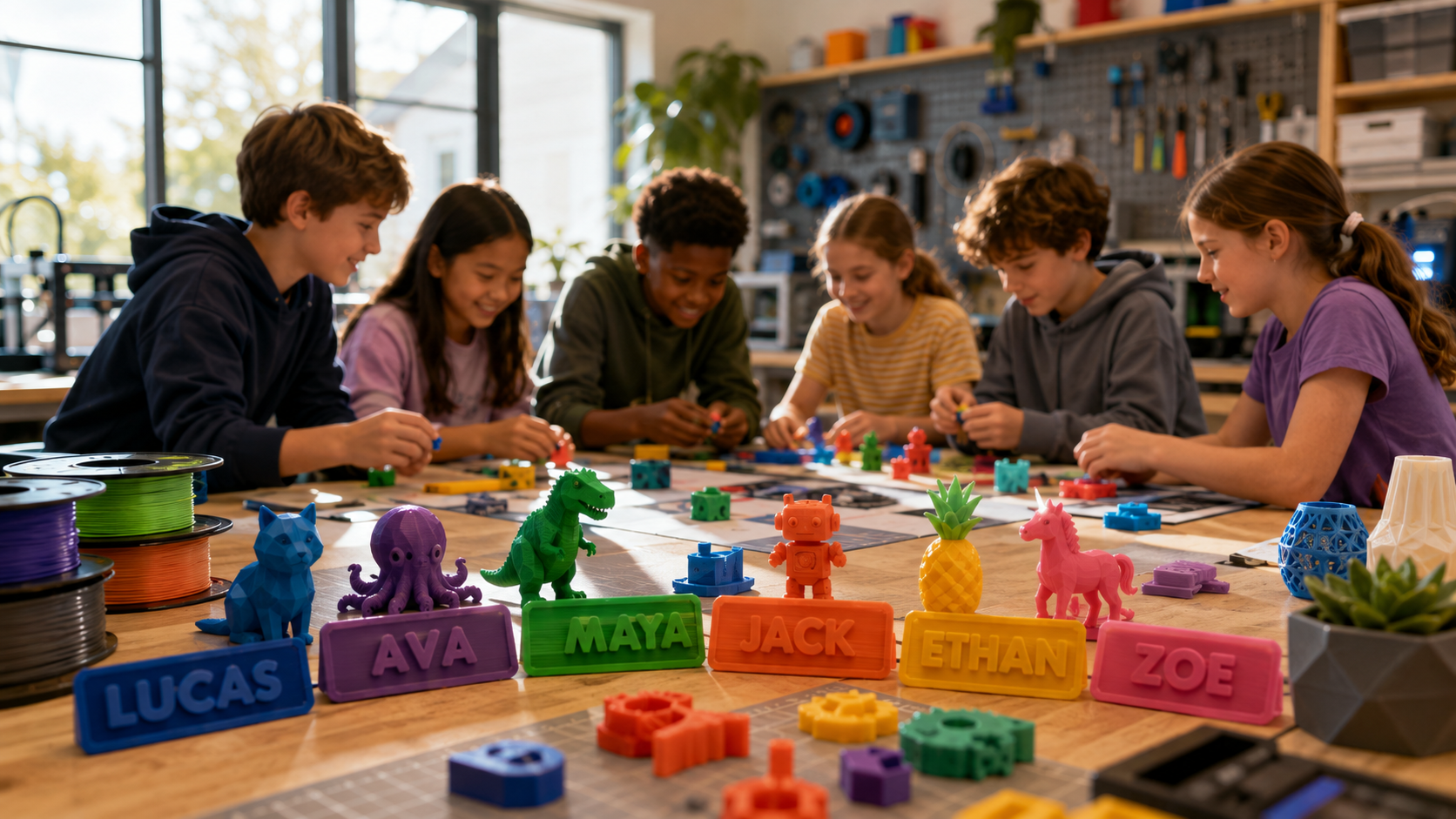
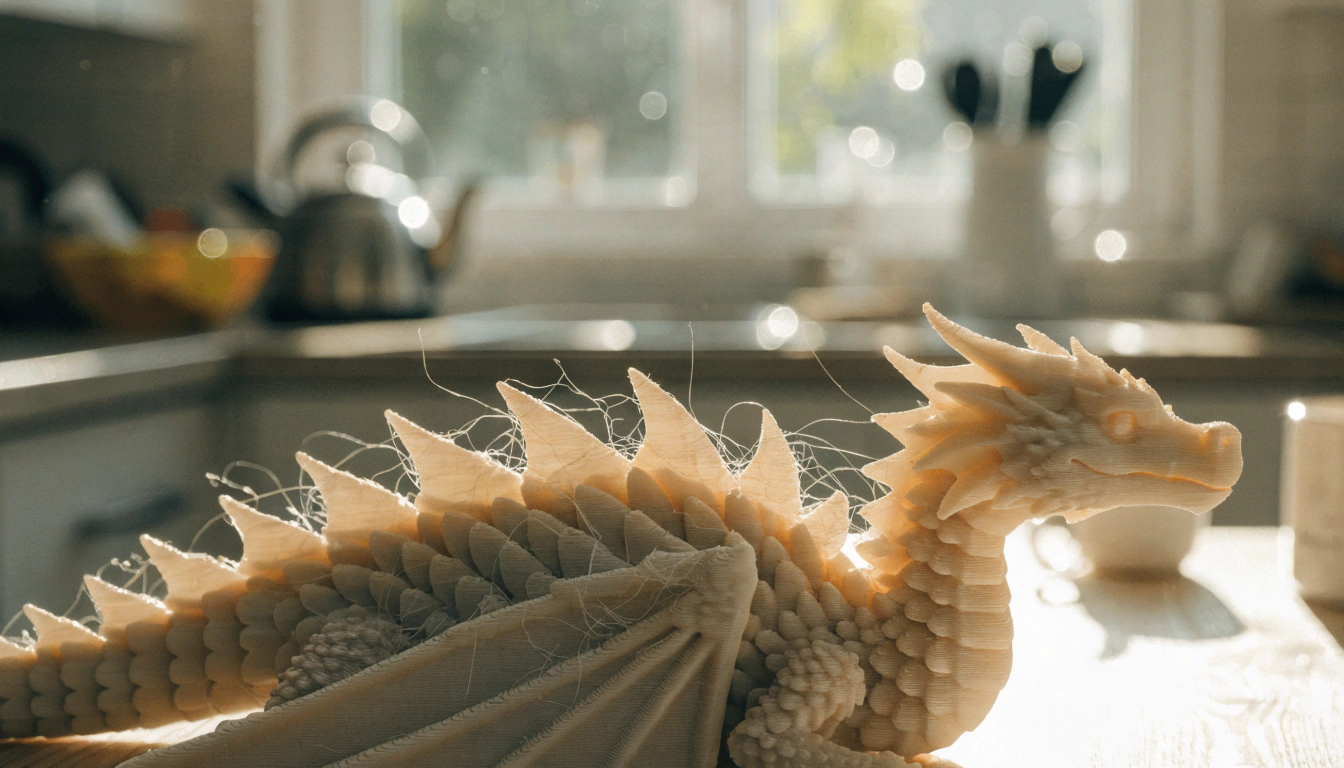
Sooner or later, a kid asks to make their own version of the boat or catapult. A 3D printer allows that. Change a shape on screen, print, test, compare.
Try It With Boat Hulls
Rerun the foil boat test with printed hulls. In the AOSEED app, a child can start from a simple shape, change its width, and print three versions. Count pennies and graph the averages. The winner goes in the bathtub.
The same approach works for:
• Catapult arms in three lengths, launching a pom pom.
• Wheels in three sizes for a balloon car, measured by distance rolled.
• Bridge beams, with and without triangle cutouts.
For younger makers, an easy 3D printer for younger kids keeps the parent's job small. The X-MAKER JOY is fully enclosed, prints in PLA, and its app has ready-made models and simple customizing. AOSEED lists it for ages 4 to 12. Older kids who want bigger builds suit the X-MAKER, listed for ages 9 to 16.
|
COMPARING MODELS? CHECK BUILD SIZE, AGE FIT, AND HOW MUCH HELP YOUR CHILD WILL NEED ACROSS THE FULL SET OF BEGINNER 3D PRINTERS FOR FAMILIES. |
Kitchen Tests or a 3D Printer? When to Use Each
Stick with household experiments when:
• Your child is under 5 or new to measuring.
• Sessions need to fit in 10 to 30 minutes.
• Questions about water, light, or gravity.
• You are still finding out if recording results appeals to them.
A kids 3D printer makes sense when:
• They keep asking to redesign what they just tested.
• The parts they want are not in any kitchen drawer.
• Several days of design, print, test, and improve sound fun to them.
• Test pieces that become toys and gifts afterward.
Conclusion
No special gear needed. A question, one variable, a number on paper. Try the penny test tonight.
If your child starts asking to design their own test parts, AOSEED's family-friendly 3D printing platform is set up for that. The X-MAKER JOY sells for $239 and gives younger makers a guided way to design, print, and test.
FAQs
What are some easy STEM projects for kids?
Drops on a penny, walking water, foil boats, and a balloon rocket. All use things you already own and set up in under ten minutes. The measuring is what makes them STEM. Kids count drops, read a ruler, or tally pennies, then compare versions. With mixed ages, start with foil boats. A preschooler counts pennies while an older sibling tests hull shapes.
What makes a good STEM project?
One clear question, answered with data. Change one thing between runs and keep the rest the same. Run each version at least three times. End with a short explanation, even if the prediction was wrong. Most projects fail because they test several things at once or rely on one run. Have your child write the question, the variable, and the unit before starting.
What are some good STEM fair projects?
The craft stick bridge. The balloon inflator and shadow tracker also scale well. A strong entry compares three versions, shows three runs of each, graphs the averages, and explains the pattern. Judges want a fair test, not a big display. A bridge that held 60 pennies with clean data beats a volcano with no numbers. Adding one new variable, like glue type, makes it original.
What are some 30-minute STEM activities for elementary school students?
Paper airplanes, the balloon rocket, the balloon inflator, and walking water. Each fits in half an hour with time for three runs and a quick graph. Lay out materials and draw the results table beforehand so measuring starts right away. In a classroom or homeschool group, give each team a different version, then compare what changed and by how much.
What are some fun and easy 5-minute science experiments for kids?
Drops on a penny. One coin, a straw, and water give a number in seconds, and a drop of soap changes it. Sink or float is another quick one for younger kids. Walking water takes five minutes to set up and gets checked later. Still ask for a guess first. Keep a notebook by the sink so quick results get written down.
What are some fun and engaging STEM experiments for preschoolers?
Sink or float, foil boats, and walking water. They are safe, quick, and easy to see. At this age, measuring means counting, sorting, or marking a line with a crayon. The skill to build is guessing and checking. Keep sessions under 15 minutes and let your child handle the materials. Leave balloons out for children under 8, since broken or uninflated balloons are a choking and suffocation risk.
What is a STEM project at school?
An investigation that uses science, technology, engineering, and math to answer a question or solve a problem. Students plan a test, collect measurements, study the data, and present the result. Home experiments build the same habits. A clear question. One variable. Repeated runs. A written conclusion. Before a school project is due, try a small version at home to see which measurements work.
What's the easiest science experiment?
Sink or float. You need a bowl of water and a few safe household objects. Your child guesses, drops each one in, and checks. No mixing, no glue. It still teaches weight, shape, and material. Tally right and wrong guesses, then play again a week later with new objects. A better score means your child is learning to predict. Then move on to foil boats.


Further reading

Thanksgiving STEM Activities for Kids: Table Projects and Simple Engineering Challenges

Halloween STEM Activities for Kids: Spooky Builds That Teach Real Science

STEM Crafts for Kids: Build, Decorate and Test