Rainy Day 3D Printing Ideas for Kids at Home
 It starts before breakfast. The window is grey. The child checks outside, sees the rain, and turns around with that expression — the one that says a long indoor day just began and someone needs to find something to do.
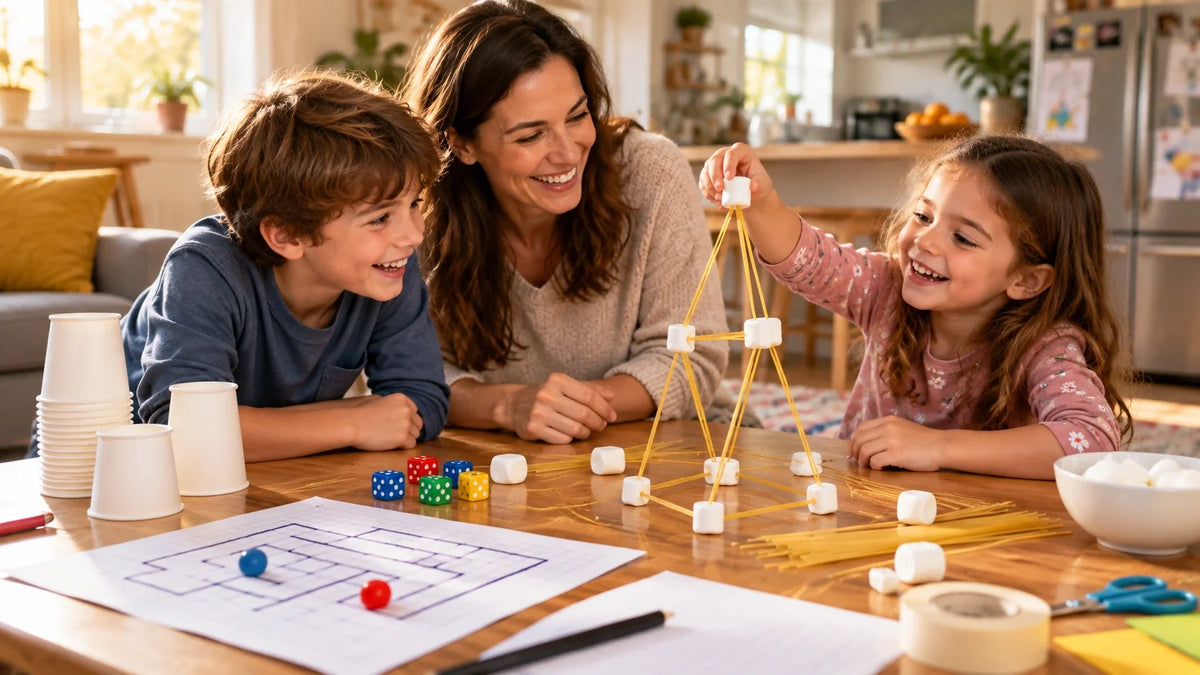
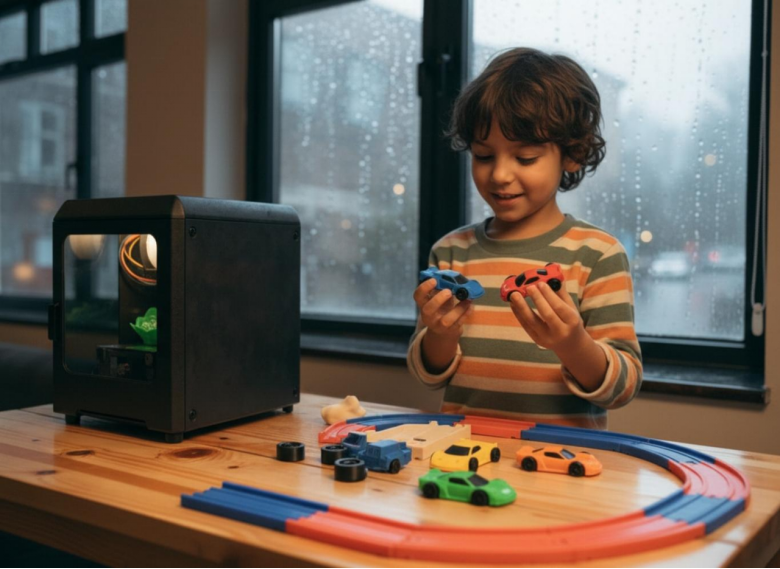
Most parents reach for screens at this point. There is nothing wrong with that. But a rainy day with a 3D printer is a different experience entirely. The child helps decide what to make. The printer runs for 20 to 60 minutes. Something real appears. And for the rest of the afternoon, they play with the thing they made while it is still raining outside.
At AOSEED, the projects that get printed most on weekends with bad weather are the ones that finish before the child's attention moves on. This guide covers six project categories designed exactly for those days — fast enough to hold a child's attention, satisfying enough to make the rain irrelevant.
|
6 Project categories covered |
<60 min Every project finish time |
Ages 4+ No minimum age |
0 Screens required |
Why 3D Printing Is Perfect for Rainy Day Activities for Kids
 3D printing solves the specific problem that rainy days create for parents: a child who wants to do something, not just watch something. The print time doubles as creative anticipation. The finished object is proof that the afternoon was well spent.
|
|
Screens on a Rainy Day |
3D Printing on a Rainy Day |
|
What gets made |
Nothing — consumption only |
A physical object the child chose and made |
|
Attention span needed |
None — content is continuous |
Short bursts of creative decision-making |
|
Collaborative? |
Usually not — each child has their own screen |
Naturally collaborative around one printer |
|
Screen time outcome |
More screen time tomorrow |
Child asks when the next print session is |
|
Something to show |
Nothing tangible |
A toy on the table when the rain stops |
The Hands-On Nature of 3D Printing
|
Touch and Build |
Observe and Learn |
Play Immediately |
|
Children do not just watch the printer — they make the decisions that shape what comes out. They choose the model, the color, the size. Every decision is a creative act, and the result is an object they helped create. |
Watching a layer-by-layer build is naturally educational. Children ask why the layers go from bottom to top, why some shapes need more time, and why the wheel spins freely when it comes off the plate. These questions are the beginning of engineering thinking. |
The best rainy day 3D prints are ready for immediate play. A spinning top, a race car, a puzzle piece — the moment the print cools, the afternoon activity begins. There is no assembly kit to lose and no instruction manual to read. |
Encouraging Creativity and Imagination
A rainy day is the right environment for slower, more imaginative play. The child is inside. There is no hurry. 3D printing fits this rhythm because the wait between pressing start and holding the finished object is an active waiting — the child watches, narrates, predicts, and plans the next session.
Most children who print their first toy on a rainy day have already decided what to print next before the printer finishes the first one. That creative pipeline is what makes 3D printing different from passive indoor activities.
How 3D Printing Turns a Rainy Day into an Opportunity for Learning
The AOSEED X-MAKER JOY's app-led workflow means the child browses, selects, and customizes a model independently. They are making technological decisions without realizing it — choosing between object sizes, deciding which material color to use, watching the design translate into physical layers. PBS Parents notes that hands-on creative activities on rainy days produce higher engagement and better focus than passive alternatives.
Best 3D Printed Games for Kids to Play on Rainy Days
These six categories are organized by play type rather than just print time. The AOSEED Toy Library includes models across all six categories with weekly updates — so a rainy Saturday next month will have new options that were not available last time.
|
How to Read These Project Cards Each card shows the project category, recommended age range, and print time estimate on the left. The description and model link are on the right. Choose one project per rainy day session, or two back-to-back quick projects for a full afternoon. |
Mini Race Cars and Tracks

|
⏱ 30–60 min |
Mini Race Cars and Tracks · Ages 5+ |
|
Motion and competition |
Rolling cars with functional wheels print in 30 to 60 minutes and are ready to race on the kitchen floor before dinner. Print two in different colors during a single rainy afternoon and have an immediate sibling competition. Add a ramp section the following session and the racing circuit grows each time it rains. Find it: Kids Toys and Games STL Files |
3D Printed Puzzles and Brain Games

|
⏱ 20–40 min |
Puzzles and Brain Games · Ages 6+ |
|
Calm focused play |
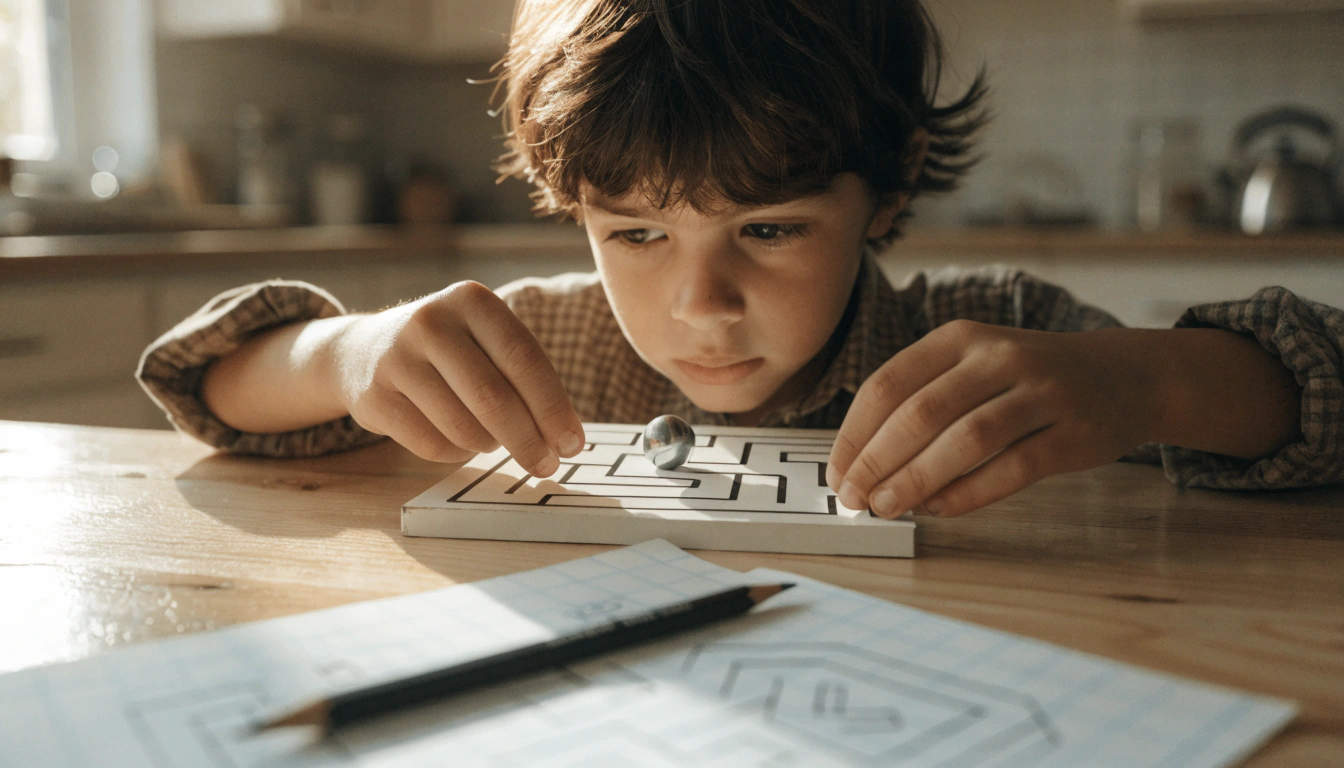
Print-in-place puzzles come off the build plate already assembled — the child simply solves them. Tangrams, sliding tile puzzles, and shape sorters all work in 20 to 40 minutes. These are particularly useful on long rainy afternoons because the puzzle resets every time it is solved. One print, infinite replays. Find it: 3D Design Projects for Beginners |
Board Games and Interactive Toys

|
⏱ 15–45 min |
Board Games and Interactive Toys · Ages 6+ |
|
Family game night prep |
Print custom dice, game tokens, or entire game piece sets for the board games the family already owns. A set of six custom dice takes about 25 minutes per die. Custom tokens for a family board game night turn a standard game evening into something the children helped build. These prints extend existing play rather than replacing it. Find it: 3D Design Projects for Beginners |
Animal Figurines and Action Figures

|
⏱ 30–60 min |
Animal Figurines and Action Figures · Ages 4+ |
|
Imaginative play and storytelling |
Articulated flexi animals print in 30 to 60 minutes and come off the build plate already moving. The rainy day session includes picking the species, choosing the color, watching the print, and immediately posing the animal in the first story the child invents. Figurines work well as gifts for younger siblings — the older child prints while the younger one waits. Find it: Kids Toys and Games STL Files |
Educational STEM Models

|
⏱ 30–60 min |
Educational STEM Models · Ages 8+ |
|
STEM exploration |
Gear systems, simple machines, and scale models make rainy days into low-pressure STEM sessions. A printed gear set with three interlocking gears takes about 40 minutes and generates genuine questions about how mechanical advantage works. Bridge cross-section models, lever demonstrations, and planetary scale sets all work without any lesson plan — the questions emerge from the hands-on interaction. Find it: 3D Design Projects for Beginners |
Building Blocks and Construction Sets

|
️ ⏱ 25–45 min per piece |
Building Blocks and Construction Sets · Ages 5+ |
|
Open-ended building play |
Interlocking blocks printed in multiple colors across a single rainy afternoon produce a construction set that expands session by session. Print five blocks this Saturday, five more next rainy day. The child's custom building set grows over time and mixes with existing brick collections. The creative constraints — shapes and connection points — spark more imaginative construction than a pre-designed kit. Find it: Kids Toys and Games STL Files |
How to Choose the Best 3D Printing Projects for Kids
 Matching the right rainy day project to the right child makes the difference between a successful session and one that ends in frustration before the print finishes.
|
Age |
Best Project Type |
Print Time Sweet Spot |
First Project to Try |
|
Ages 4–6 |
One-piece chunky toys, spinning tops, figurines |
Under 20 minutes |
Spinning top — done before the rain changes their mind |
|
Ages 7–9 |
Puzzles, vehicles, board game pieces, animals |
20 to 45 minutes |
Mini race car — races begin immediately after cooling |
|
Ages 10–12 |
STEM models, creation kits, multi-part builds |
30 to 60 minutes |
Simple gear set or interlocking puzzle — hands-on building |
|
Ages 13+ |
Custom designs, engineering builds, CAD projects |
45 to 90 minutes |
Ball maze or creation kit component — own design + print |
Ages 4 to 6: Simple Designs with Large Pieces
For the youngest makers, the project window is short. Choose a print that finishes in under 20 minutes. A spinning top or a chunky animal figurine in their favorite color fits this window perfectly. The child makes one decision — the color — and the printer handles everything else. The object in their hand before lunch is the win.
Ages 7 to 9: Models with Moving Parts
Children in this range have the patience for 30 to 45-minute prints and the fine motor skills to interact with mechanisms. A print-in-place puzzle, a car with rolling wheels, or a simple fidget mechanism all work well. This age group tends to ask the most questions during the print — why are those lines visible? Why does the wheel already spin? These questions are the beginning of design thinking.
Ages 10 and Up: Customizable and Complex Designs
Older children are ready to move from choosing a library model to modifying one. Guided design apps let them change the size, add a name, or adjust a detail before printing. The AOSEED X-MAKER creation kits are particularly good for this age — printed chassis with motors and electronics that produce working RC cars or robots across multiple sessions. A longer rainy day becomes a multi-session building project rather than a single print.
Tailoring Projects to Kids' Interests
|
️Loves Speed |
Loves Animals |
Loves Puzzles |
Loves STEM |
|
Race car + kitchen floor track. Print two cars in different colors and race them before the rain stops. |
Flexi articulated animal in their current favorite species — immediate tactile play. |
Print-in-place puzzle or tangram set — calm, focused, replayable independent play. |
Gear set or lever model — rainy day turns into a physics experiment without anyone using the word 'lesson'. |
Safety Considerations for 3D Printed Toys and Games for Kids

The safety questions around 3D printing are genuine and straightforward to address. Three things cover everything parents need to know.
|
✓ |
Best material for kids — PLA: Plant-based, non-toxic, biodegradable, and produces minimal odor at standard printing temperatures. The right default for every project in this guide. Available in bright colors children can choose from. |
|
✓ |
Good step up — PETG: More durable and impact-resistant than PLA. Safe for home use. Good for toys that will be dropped or used outdoors. Requires a slightly higher temperature and heated bed. |
|
⚠ |
Inspect before handing to young children: Run a finger along all surfaces after printing. Sand any rough edges from support material removal. For children under 3, verify no part is smaller than 25mm in any dimension. |
|
✗ |
Avoid ABS and resin for family sessions: ABS requires ventilation for safe indoor use. Resin requires chemical handling, gloves, and UV curing equipment. Neither is appropriate for a rainy day session with children present. |
Inspecting Toys for Sharp Edges and Small Parts
A 60-second safety check is the right habit after every print intended for a young child. Support material removal points are the most common source of sharp edges. Use fine sandpaper on any rough spots before handing the object to a child under 7. For children under 3, the 25mm rule applies to every single part of the finished object — no exceptions.
Why an Enclosed 3D Printer Is Safer for Kids
An enclosed printer means a child can stand next to the machine and watch the entire print without any risk of touching the hot nozzle or moving belts. The chamber keeps all high-temperature components inside. Children observe through the window. The printer runs safely in a shared family space — living room, kitchen, study — rather than needing to be locked away in a separate room.
For rainy days specifically, an enclosed printer is also the practical choice because the printing session happens in whatever room the family is using that afternoon. No moving the printer to a special location, no clearing a dedicated workspace.
How to Make 3D Printing Fun and Easy for Kids
 The setup for a successful rainy day 3D printing session takes about five minutes. These four steps make every session smoother than the last.
|
1 |
Choose the project before the rain starts Browse the Toy Library with the child after school or the night before. The decision being made in advance removes the 'I don't know what to print' paralysis that delays a rainy morning session. |
|
2 |
Let the child choose the filament color This single choice creates creative ownership before the printer starts. The object is already theirs — it just hasn't appeared yet. |
|
3 |
Keep the printer visible during the session The print should be somewhere the family can see the observation window from wherever they are spending the rainy afternoon. The print-in-progress is part of the entertainment. |
|
4 |
Prepare decoration supplies for after the print Markers and non-toxic paint ready on the table. When the print cools, the decoration phase begins immediately without hunting for supplies. |
Start with Simple, Easy-to-Assemble Projects
First-time rainy day sessions should produce a successful object in under 30 minutes. A spinning top, a simple figurine, or a small puzzle — something the child can hold before the afternoon changes mood. Each successful first print builds the confidence that makes longer future sessions feel manageable rather than daunting.
Encourage Creativity with Customization
After the print cools, the creative session continues at the table. Non-toxic acrylic markers turn a white or light-colored PLA print into a painted object. This extends the activity time and makes the finished toy look like nothing available in a shop. A painted flexi animal printed on a rainy Tuesday becomes the child's specific animal with a name and a story.
Set Up a Dedicated Printing Area
A dedicated 'rainy day creation station' means the printer lives somewhere accessible at the child's eye level, filament spools are labeled and visible, and the decoration supplies have a known location. When the tools are organized, the session starts without the friction of finding equipment. Good Housekeeping's indoor activities for kids guide consistently identifies organized creative spaces as a key factor in sustained indoor engagement for children.
Conclusion
The rain is not a problem. It is a permission slip. An afternoon with nowhere to go and no plan is the best possible context for a 3D printing session.
Start with a spinning top. Print it in 4 minutes. Race it while the next project prints. By the time the rain stops, there will be three or four objects on the kitchen table that were not there this morning — and a child who is already asking about next Saturday's session.
Every rainy afternoon is a Maker Night that arrived during the day. The printer is ready. The Toy Library has something for every age and interest. The only thing left to decide is which color.
Browse the full family printer range at AOSEED 3D printers for kids for age guidance and current pricing on both models.
FAQs
Can kids play with 3D printed toys?
Yes. 3D printed toys made with PLA filament and inspected for smooth edges are safe for play from age 4 upwards. PLA is non-toxic, biodegradable, and the standard material for every family printer on the market. Always check finished prints for rough support-removal points before handing to a young child, and verify no part is small enough to be a choking hazard for children under 3.
How do you keep kids entertained on a rainy day?
3D printing works particularly well as a rainy day activity because it combines three things that hold children's attention: anticipation during the print, a reveal moment when the object appears, and immediate play with the finished toy. The combination of waiting, watching, and playing creates an engagement cycle that can fill 45 to 90 minutes without any screen time involved.
Is a 3D printer suitable for a 7-year-old?
Yes. A 7-year-old can safely browse a model library, choose a design, select a filament color, and start a print with an app-led family printer. Adult involvement is most useful for loading filament before the session and removing the cooled print at the end. Most 7-year-olds manage the full printing workflow independently after two or three guided sessions.
What is the 10-10-10 rule for kids?
The 10-10-10 framework is a practical structure for varied indoor play: 10 minutes of physical activity, 10 minutes of creative play, and 10 minutes of social interaction, rotating across the day. A 3D printing session contributes naturally to the creative and social portions — the child makes something and shows it, tells a story about it, or races it against a sibling's print.
What is a 3D family tree?
A 3D family tree is a creative family project where members design and print a physical tree structure with removable 'leaf' ornaments that each represent a family member. Children can print, label, and arrange the pieces to show family relationships going back to grandparents and great-grandparents. It works well as a rainy day session spread across two or three afternoons.
What activities can be done on a rainy day?
3D printing fits into the same category as crafts, baking, board games, and building projects — indoor activities that produce something. The specific advantage of 3D printing is that the print time is built-in waiting time that generates anticipation rather than boredom. A rainy afternoon that includes a 45-minute print session plus decoration time plus play time fills a full indoor afternoon with a single project.
What are some good 3D printed games for kids?
The highest-play-value options for rainy days: pull-back race cars for sibling competition, print-in-place puzzles for calm independent play, custom board game tokens for family game evenings, spinning top pairs for racing contests, and interlocking building block sets that expand session by session. All six are available in the AOSEED Toy Library with options across the full age range.
Sources
- Good Housekeeping — 50+ Indoor Activities for Kids (updated regularly), 50+ Indoor Activities for Kids, 2026.
- Houston Mom Collective — Rainy Day Activities for Toddlers and Preschoolers, Rainy Day Activities for Toddlers and Preschoolers, 2025.
- Printables — Kids Toys and Games STL Files (curated models), Kids Toys and Games STL Files, 2026.
- Reddit r/Parenting — Indoor Activities That Don't Involve Screens, Indoor Activities That Don't Involve Screens, 2023.



Further reading

Thanksgiving STEM Activities for Kids: Table Projects and Simple Engineering Challenges

Halloween STEM Activities for Kids: Spooky Builds That Teach Real Science

STEM Crafts for Kids: Build, Decorate and Test