Spring Break Screen-Free 3D Printing Projects for Kids
Spring break arrives with the best intentions. More time outside, more time together, more time away from screens. By Tuesday morning, the intentions have usually met reality. Everyone is awake early, the older children have already asked three times what they are supposed to do, and the path of least resistance is exactly the same as every other morning.
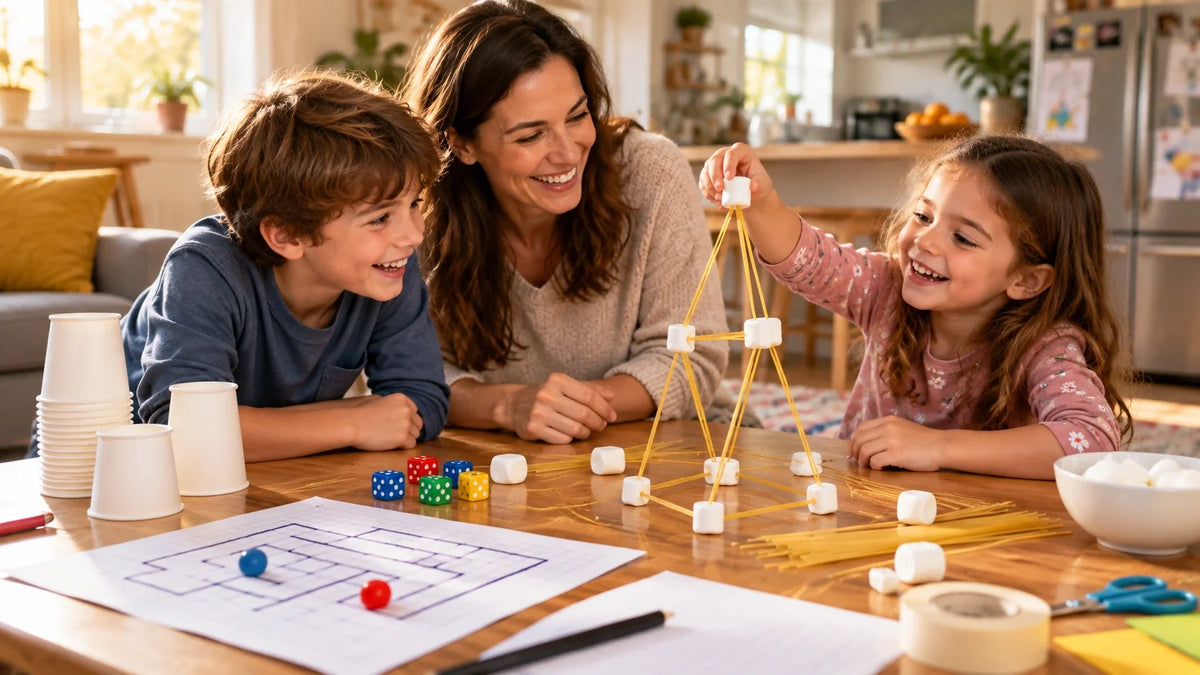
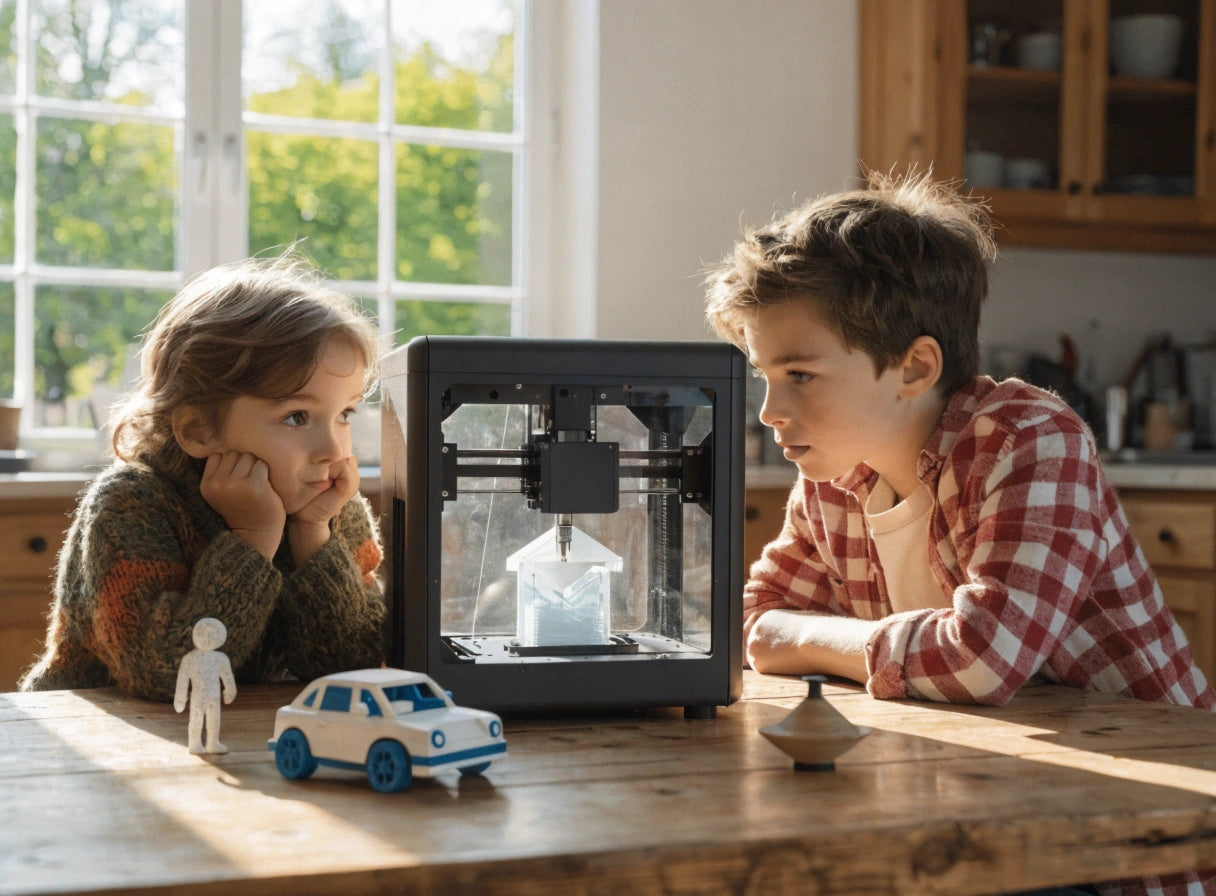
3D printing is one of the few activities that genuinely holds a child's attention across a full break week without a single screen being involved in the play itself. The printer does the technical work. The child makes the creative decisions. And every day of spring break ends with something new on the table that was not there in the morning.
At AOSEED, spring break is one of the highest-use periods in the year for family printers. Parents return to the Toy Library every day looking for the next project. The six categories in this guide are organized around what actually gets printed during break weeks — fast enough to hold attention, satisfying enough to make the next session the first thing children ask about the following morning.
|
6 Project categories |
5 Full break week covered |
0 Screens required for play |
4+ Full age range |
Why 3D Printing Is a Great Screen-Free Activity for Kids During Spring Break

The research case for reducing screen time during school breaks is well established. The practical question is what replaces it. 3D printing solves this better than most alternatives because the activity is active, the output is physical, and the engagement cycle repeats naturally without parent prompting.
|
📱 Typical Spring Break Screen Day |
🖨 3D Printing Spring Break Day |
🖨 3D Printing Spring Break Day |
|
Activity type |
Passive — consuming content |
Active — designing, printing, playing |
|
Skill developed |
None measurable by end of week |
Spatial reasoning, design thinking, patience |
|
Social component |
Individual — everyone on own device |
Collaborative — family makes decisions together |
|
Physical output |
Nothing tangible |
Printed toys and objects to play with all week |
|
After spring break |
Kids remember the shows they watched |
Kids show their friends what they made |
Hands-On Creativity and Learning
|
✋ Touch and Create |
🧠 Design Thinking |
🎯 Immediate Result |
|
3D printing puts the creative decision-making with the child from the first tap in the app to the moment they hold the finished object. Every choice — what to print, what color, what size — is a creative act that belongs to them. |
Choosing a model, watching it build layer by layer, and asking why certain shapes take longer than others is the beginning of engineering curiosity. Children do this naturally without being prompted. The questions are the learning. |
Unlike painting or building projects that take days, a 3D print finishes in 20 to 60 minutes. The child has a completed object before lunch. That immediate result builds the confidence to try a longer project the next day. |
Fostering Problem-Solving Skills
When a spinning top does not spin as well as the child hoped, they ask why. When a puzzle piece does not fit exactly right, they want to understand the tolerance. These are not frustrations — they are the natural entry points into problem-solving that spring break usually has no space for. The screen-free activities for kids guide from Parent Cue notes that creative problem-solving activities during breaks produce measurably stronger focus and engagement when children return to school. 3D printing delivers exactly this type of challenge — low-stakes, iterative, and self-directed.
A Screen-Free Alternative to Traditional Play
The common concern about screen-free spring break is that children will be bored. 3D printing solves this differently from most craft activities because the waiting time is active rather than passive. While the printer runs, children plan their next project, decorate the previous print, or assemble creation kit components. There is always something to do during a session — the printer fills the activity rather than creating a gap in it.
Best 3D Printed Games for Kids to Enjoy on Spring Break
|
🌱 Spring Break Maker Plan Use the 5-day planner later in this article to match one project category to each day of break. Sessions run 30 to 90 minutes. The rest of the afternoon uses the morning's print for play, decoration, or competition. A single printer, one family, five days, five different objects. |
Mini Race Cars and Tracks

|
🚗 Mini Race Cars and Tracks · Ages 5+ · ⏱ 30–60 min |
|
Race cars with functional rolling wheels are one of the most played-with prints across all age groups during spring break. Print one per child in a chosen color, set up a course on the kitchen floor, and the activity sustains itself. Add a ramp section the next morning and the circuit grows. Children who print their own race cars are significantly more invested in the race than children using store-bought ones. Find a model: Kids and Toys 3D Print Models Skills built: Motion, competition, iterative design (improving the car for better performance) |
3D Printed Puzzles and Brain Games

|
🧩 Puzzles and Brain Games · Ages 6+ · ⏱ 20–40 min |
|
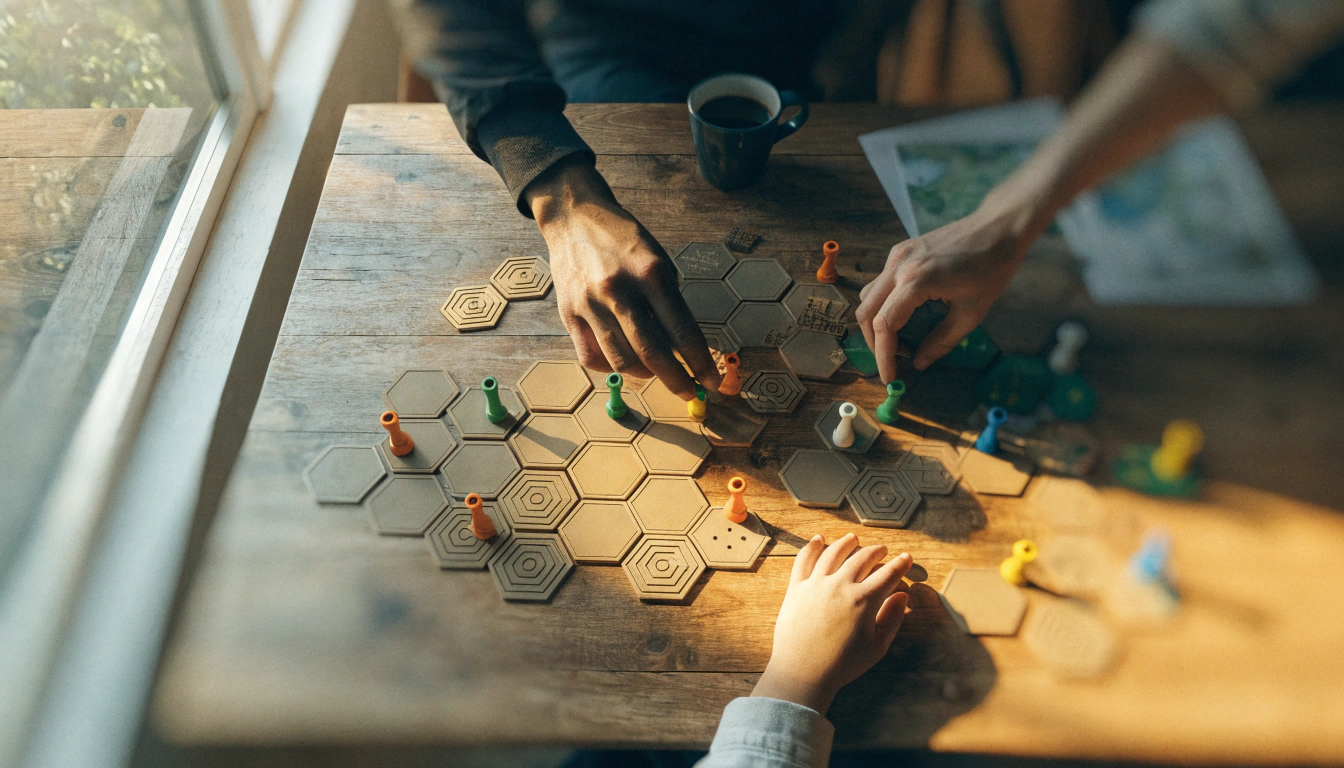
Print-in-place puzzles come off the build plate already assembled — the child solves them immediately. Tangrams, sliding tile puzzles, and geometric brain teasers all work well on spring break because they reset. One print, infinite play sessions. The puzzle is never 'done' in the same way a racing car eventually gets set aside. Find a model: Beginner 3D Design Projects Skills built: Spatial reasoning, logical thinking, patient independent play |
Board Games and Interactive Toys

|
🎲 Board Games and Interactive Toys · Ages 6+ · ⏱ 15–45 min per piece |
|
Print custom dice, tokens, and game pieces for the board games the family already owns. A set of custom character tokens for an existing game takes one spring break morning. Custom dice with family inside jokes take 15 minutes each. These prints extend existing play rather than replacing it — spring break becomes the week the family upgraded their game collection. Find a model: Kids and Toys 3D Print Models Skills built: Family cooperation, creative play extension, personalization of shared games |
Animal Figurines and Action Figures

|
🦊 Animal Figurines and Action Figures · Ages 4+ · ⏱ 30–60 min |
|
Articulated flexi animals print in one piece with joints already working. Spring break is the natural time to print an entire animal collection — a different species each morning, decorated each afternoon. Children name them, build habitats, and develop the kind of extended imaginative play that screen time tends to interrupt. A spring break animal collection becomes a permanent part of the toy shelf. Find a model: Kids and Toys 3D Print Models Skills built: Imaginative storytelling, tactile engagement, creative ownership of a growing collection |
Educational STEM Models

|
⚙️ Educational STEM Models · Ages 8+ · ⏱ 30–60 min |
|
Gear sets, lever mechanisms, and simple machine models turn spring break into a low-pressure STEM experience. The child builds the model and the questions emerge naturally — why does this gear make the other one spin? What happens if the lever arm is shorter? These are engineering questions that a school lesson plan would frame as homework and that a spring break print frames as play. Find a model: Beginner 3D Design Projects Skills built: Engineering principles, cause and effect, mechanical curiosity |
Building Blocks and Construction Sets

|
🏗️ Building Blocks and Construction Sets · Ages 5+ · ⏱ 25–45 min per piece |
|
A spring break building block collection starts on day one and grows through the week. Print five blocks on Monday in different colors. Print five more on Wednesday in complementary shapes. By Friday, the child has a custom construction set that mixes with their existing collection. The incremental nature of this project makes it particularly well-suited to a week-long break. Find a model: Kids and Toys 3D Print Models Skills built: Spatial reasoning, creative construction, open-ended play that grows over multiple sessions |
The AOSEED Toy Library includes curated models across all six categories with weekly additions — spring break sessions on day one have different options available from sessions on day five, which keeps the week feeling fresh without any adult effort.
Spring Break 5-Day Maker Plan
|
Day |
Morning Session |
Afternoon Extension |
|
Day 1 |
Spinning top race — print 2 in different colors |
Hold a kitchen-floor spinning competition |
|
Day 2 |
Mini race car — one per child, chosen color |
Design a ramp from cardboard, race the cars |
|
Day 3 |
Print-in-place puzzle — one per child |
Decorate puzzles with paint markers, swap and solve |
|
Day 4 |
Animal figurine — child picks species |
Build a habitat from materials around the house |
|
Day 5 |
Board game token set for family game night |
Play a full family board game with custom pieces |
How to Choose the Right 3D Printing Projects for Your Kids

Spring break usually involves children of different ages. The right project for a 5-year-old and the right project for an 11-year-old running at the same time requires a printer that the older child uses independently while the younger one works with the parent on a shorter session.
|
Age Group |
Best Project Type |
Ideal Print Time |
How to Start |
|
Ages 4–6 |
One-piece figurines, chunky cars, spinning tops |
Under 20 minutes |
Let them choose color — press start together |
|
Ages 7–9 |
Race cars, puzzles, board game pieces, animals |
20 to 45 minutes |
Child browses library, chooses model, manages print |
|
Ages 10–12 |
STEM models, creation kit parts, custom builds |
30 to 60 minutes |
Child modifies or designs a model before printing |
|
Ages 13+ |
Full STEM builds, engineering projects, custom CAD |
45 to 90 minutes |
Independent session — adult available for guidance |
Ages 4 to 6: Chunky Shapes and Easy Assembly
For the youngest spring break makers, the goal is a finished object in hand before the attention window closes. Under-20-minute prints with simple bold shapes work best. A chunky animal in bright PLA, a spinning top they can race immediately, or a large building block in their favorite color. Let them choose. Let them press start. The object appearing is the event — the print time is the anticipation.
Ages 7 to 9: More Intricate Models with Moving Parts
Children in this range have the patience for a 45-minute print and the fine motor skills to interact with mechanisms. A race car with rolling wheels, an articulated animal whose tail bends, or a puzzle that requires solving immediately after it prints all work well. Spring break is also a good time to introduce the concept of printing a set — race car on day one, ramp on day two, second car on day three. Each session builds on the last.
Ages 10 and Up: Customizable and Complex Designs
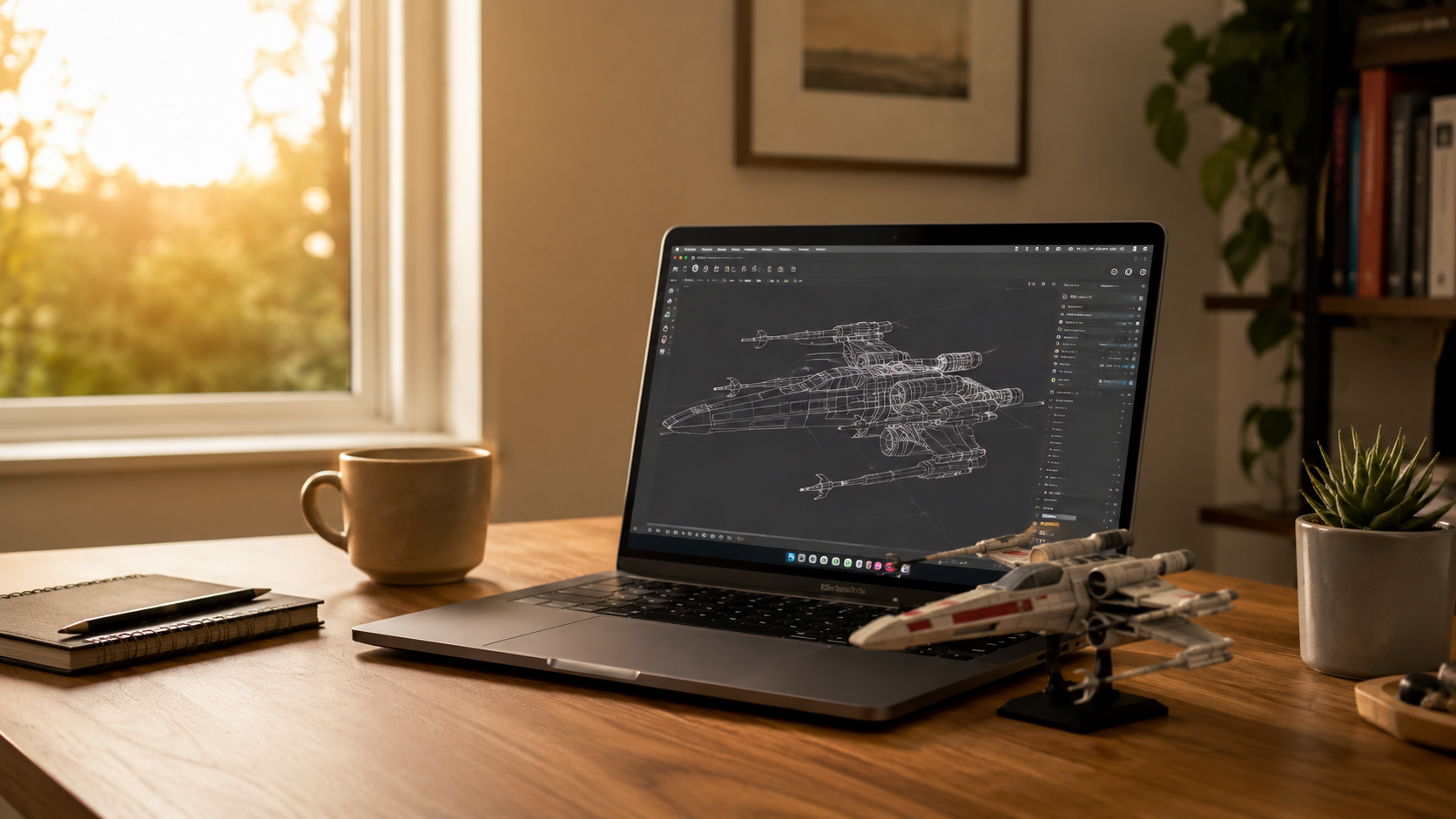
Older children are ready to move from choosing a model to modifying one. Guided design apps let them change a size, add a name, or adjust a feature before printing. The AOSEED X-MAKER creation kits are particularly well-suited for spring break — multi-session builds where printed chassis combine with motors and electronics to produce working RC cars or robots. The creation kit becomes the project for the whole break week rather than a single afternoon session.
Tailoring Projects to Kids' Interests
|
🏎️ Loves Speed |
🦖 Loves Animals |
🧩 Loves Puzzles |
⚙️ Loves STEM |
|
Race cars + kitchen track + ramp. Print one car per child per morning, improve the ramp design each afternoon. |
One articulated animal per break day. Decorate each one in the afternoon and build a habitat from cardboard. |
Print-in-place puzzle or tangram set — calm and replayable, good for quieter afternoon sessions. |
Gear set + creation kit components. Spread across multiple days for a week-long engineering build. |
Safety Considerations for 3D Printed Toys and Games for Kids

Three things determine whether a 3D printed toy is safe for spring break use. The material, the finished print inspection, and the printer design.
|
✓ |
PLA — the right default for all ages: Plant-based, non-toxic, biodegradable, low odor at standard temperatures. Available in bright spring colors. The correct material for every project in this guide. |
|
✓ |
PETG — better for active or outdoor use: More durable and impact-resistant than PLA. Safe for home use. Good for toys that will be used outside during spring break. |
|
⚠ |
Inspect every print before play: Run a finger along all surfaces. Check support removal points. Sand any rough edges before giving to a child under 7. Verify no part under 25mm for children under 3. |
|
✗ |
Avoid resin and ABS for spring break sessions: Resin requires PPE and chemical handling. ABS requires ventilation. Neither is appropriate for family use indoors with children present. |
What Materials Are Best for Kids' 3D Printed Toys?
PLA is the right starting point for all children at all ages. It is derived from renewable plant materials, non-toxic, and produces minimal odor at standard printing temperatures. Verywell Family's review of benefits of limiting screen time and encouraging hands-on creative activities aligns directly with what 3D printing provides — and the material safety of PLA means the creative session can happen anywhere in a family home without ventilation concerns.
Inspecting Toys for Sharp Edges and Small Parts
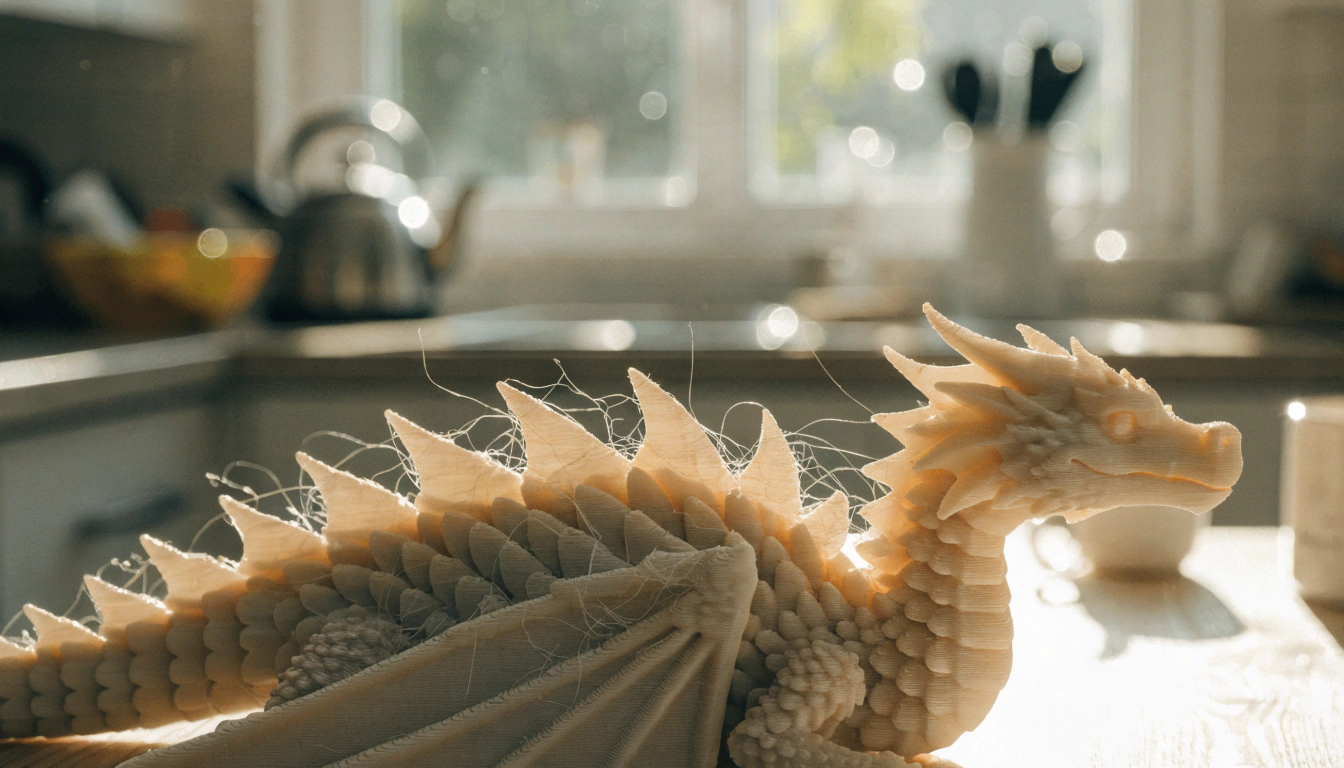
A 60-second safety check after every print: run a finger along all surfaces, check where support material was removed, sand any rough spots before handing the object to a young child. For children under 3, every part of the finished print must be larger than 25mm in any dimension. This check takes less time than explaining why the print needs to cool before touching it.
Why an Enclosed 3D Printer Is Safer for Kids
An enclosed printer keeps the nozzle, heated bed, and moving belts inside a sealed chamber. Children observe through the window. For spring break — where the printer may be running for multiple sessions across the week in a shared living area — this design is the practical choice. The AOSEED X-MAKER JOY includes a door sensor that pauses the print automatically if the chamber is opened mid-session, which is particularly useful during spring break when younger siblings may approach the printer during an older child's session.
How to Make 3D Printing Fun and Easy for Kids

A spring break 3D printing habit is easiest to establish with a clear daily structure. These five steps take ten minutes before the first session and make every day that follows run without friction.
|
1 |
Choose the day's project the evening before Browse the Toy Library with the child after dinner. Decision made, filament loaded, project ready before breakfast. No morning friction. |
|
2 |
Let the child choose the filament color This is the highest-engagement decision a child makes in a print session. The color choice creates ownership before the printer starts. |
|
3 |
Keep decoration supplies set up and accessible Markers, acrylic paint pens, and sticker sheets ready on the table beside the printer. When the print cools, the decorating session starts without delay. |
|
4 |
Plan a way to use the print in the afternoon A race for the cars. A habitat build for the animals. A family game using the custom tokens. The morning's print becomes the afternoon's activity without any additional planning. |
|
5 |
Have the next day's project chosen before bed The child goes to sleep thinking about what they are printing tomorrow. This is the detail that makes spring break feel like a maker week rather than a series of separate sessions. |
Start with Simple, Easy-to-Assemble Projects
For a first-time spring break printing experience, choose a project that finishes in under 30 minutes. A spinning top, a simple figurine, or a custom game token — something the child can hold before lunch. Each successful short print builds the confidence that makes the longer afternoon sessions feel manageable.
Encourage Creativity with Customization
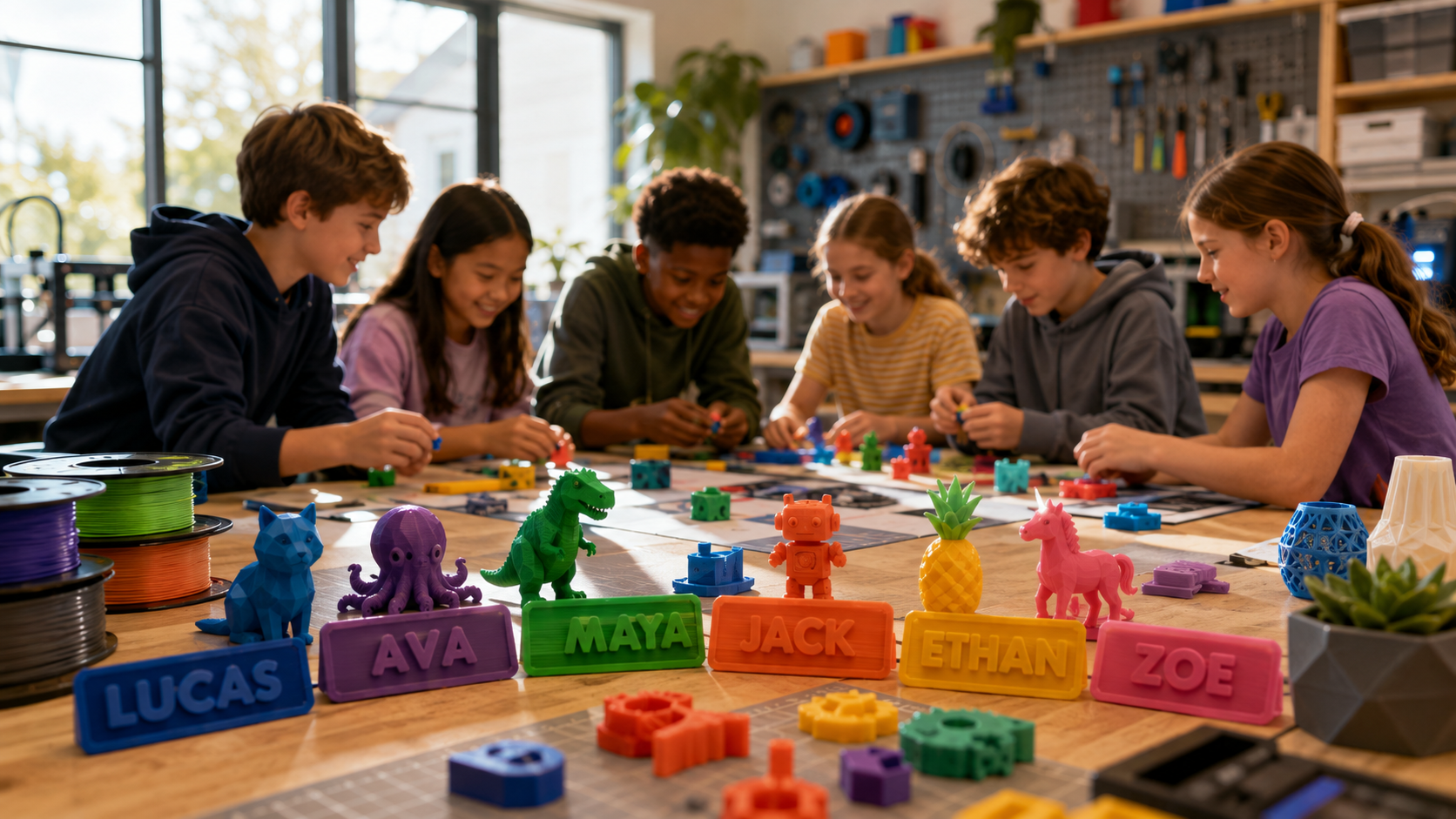
After the print cools, the creativity continues. Non-toxic acrylic paint markers on a white or light-colored PLA print take the spring break activity from 30 minutes to a full afternoon. A child who prints an animal in the morning and paints it after lunch has created a genuinely unique object — no two spring break collections will ever look the same.
Set Up a Dedicated Printing Area
A spring break creation station means the printer has a permanent place at a height where children can see the observation window, filament spools are labeled and visible, and supplies are organized. When everything is ready and accessible, the session starts without hunting for equipment — which is exactly what keeps the daily habit going for five consecutive break days.
Conclusion
The goal for spring break is not zero screens. It is enough alternative activity that screens are not the default for every hour of every day. One morning printing session, one afternoon using what was printed — that is a full day of creative engagement that happens to be screen-free.
Start on day one with a quick win. A spinning top, a small car, a custom game token. By day three, the child is planning each session before the printer has finished the current one. By day five, the kitchen shelf has five new objects that were not there on Monday morning.
That is spring break with a 3D printer. Five days. Five projects. Five different objects that the child made themselves and will play with long after the break ends.
For families starting their first spring break maker week, AOSEED 3D printers for kids shows both current models with age guidance and pricing — useful when deciding whether the X-MAKER JOY or X-MAKER is the right fit for the ages in your family.
FAQs
Can kids play with 3D printed toys?
Yes. 3D printed toys made with PLA filament and inspected for smooth edges are safe for play from age 4 upwards. PLA is non-toxic, biodegradable, and the standard material for every family-oriented printer on the market. Inspect finished prints for rough support-removal points before handing to young children, and verify no part is small enough to present a choking hazard for the youngest members of the family.
How do you keep kids entertained on a rainy spring break day?
3D printing is one of the most effective rainy-day spring break activities because it structures the time around a result. The print session takes 20 to 60 minutes. The decoration session takes another 30 minutes. The play session with the finished object fills the afternoon. A single project covers most of a rainy day without any screen time in the play itself.
Is a 3D printer suitable for a 7-year-old?
Yes. A 7-year-old can safely browse a model library, choose a design, select a filament color, and start a print with a family-oriented app-led printer. Adult involvement is most useful for loading filament before the session and removing the cooled print at the end. Most 7-year-olds manage the full workflow independently after two or three guided sessions — well within the first two days of spring break.
What is the 10-10-10 rule for kids?
The 10-10-10 framework suggests structuring children's indoor time across three activity types: physical activity, creative engagement, and social interaction, cycling between all three rather than extending any one category. A spring break 3D printing session contributes naturally to the creative and social categories — the child makes something and shows it, races it with a sibling, or gives it as a gift to a grandparent.
What is a 3D family tree?
A 3D family tree is a project where families design and print a physical tree structure with removable ornament pieces representing different family members. Spring break is a natural time for this project because multiple sessions are available — design the structure on day one, print the member ornaments across the week, and assemble the complete family tree as the final break-week activity.
Why is screen-free time important for kids?
Research consistently links extended passive screen time in children to reduced attention span, lower creative engagement, and less physical activity. Spring break is one of the periods where screen time is most likely to increase significantly without a planned alternative. Active creative activities like 3D printing replace the screen habit with something that produces tangible results — objects the child made, skills they developed, and memories of a break week that involved genuine making.
Sources
- Parent Cue — 10 Screen-Free Things to Do With Kids Over Spring Break, 10 Screen-Free Things to Do With Kids Over Spring Break, 2026.
- ParentMap — How to Keep Kids Busy When Stuck at Home, How to Keep Kids Busy When Stuck at Home, 2025.
- KidKraft Blog — Activities to Embrace Screen-Free Week, Activities to Embrace Screen-Free Week, 2025.



Further reading

Thanksgiving STEM Activities for Kids: Table Projects and Simple Engineering Challenges

Halloween STEM Activities for Kids: Spooky Builds That Teach Real Science

STEM Crafts for Kids: Build, Decorate and Test