Science Gifts for Kids: Kits, Tools and Projects by Age
If you’ve ever watched a kid spend twenty minutes staring at an ant trail, you already know science doesn’t need much of a push. The best science gifts for kids simply give that curiosity somewhere to go, whether it’s a microscope that makes table salt look like glass blocks or a circuit set that gets rebuilt into something new every rainy weekend.
After plenty of birthdays, we’ve noticed the gifts that get used aren’t the fanciest ones. They’re the ones that fit the child’s age, this month’s obsession, and the help a busy parent can give on a school night. The kid who comes home from every walk with stones in their pockets wants something very different from the one who’s already unscrewed the back of the TV remote twice.
Quick picks by age
|
Age |
Strong first pick |
Why it works |
Adult role |
|
3 to 5 |
Chunky magnifier and explorer kit |
Big, instant results outdoors |
Stay close, handle small bits |
|
6 to 8 |
Snap-together circuit set |
Mistakes are easy to undo |
Help with the first build |
|
9 to 12 |
Robotics or coding kit |
Build, test, fix, repeat |
Occasional troubleshooting |
|
9 to 12 |
Rock tumbler |
Rewards weeks of patience |
Grit changes, a spot for the noise |
|
4 to 12+ |
Kids’ 3D printer |
Design, print, then play |
Setup and the first print |
What Makes a Good Science Gift for Kids?
What separates a good science gift from a pretty box is whether there’s a real job in it for the child, something to test or watch change or build, even if the build flops the first time and they have to work out why.
We’d still read the age on the box first. According to the American Academy of Pediatrics, warning labels and age ranges on toys flag choking risks and show whether a child is likely to understand how the toy works. After that, look at what your child has already done, because a seven year old who’s wired up a couple of circuits at school is usually ready for more than the label says.
|
Check |
Good sign |
Red flag |
|
Interest match |
Ties to something they already collect, build or ask about |
“Covers 12 sciences” with no clear theme |
|
Challenge level |
First project finished in one sitting |
Needs skills they have not built yet |
|
Reuse |
Tools or parts work across many activities |
One experiment, then empty packets |
|
TIP: In an AAP report, pediatricians said simple, hands-on toys and shared play beat flashy electronics for development, which is why we’d sit in on the first session and only then leave them to it. |
Science Gifts by Age
Ages 3 to 5: Look, Touch, Compare

At three or four, science happens through sticky fingers and a lot of pouring, so we’d skip anything with a long instruction sheet and go for big pieces and quick results. These tend to hold up well:
● A child-size magnifying glass and a couple of jars for leaves, bark and the occasional worm
● Screen-free coding toys, where blocks or cards steer a small vehicle across the floor
● A solar system projector, which works best when you also head outside to find the moon
|
SAFETY: Under federal rules, toys for kids under 3 can’t contain small parts, and toys that have them must carry a choking warning, which matters if a toddler plays in the same room. |
Ages 6 to 8: Build It, Break It, Fix It

Around first and second grade, kids get much better at following steps and noticing what happened, and they turn into pretty strict judges of whether the thing they built actually does anything.
● Snap-together circuit kits: Swapping one piece changes the result, so a wrong connection turns into a puzzle instead of a meltdown.
● Beginner microscopes: a clear picture at low power is worth far more than a huge magnification number nobody can focus.
● Rock and mineral sets with ID cards, ideal for the kid who empties gravel out of their shoes after recess.
Ages 9 to 12: Multi-Step Projects

By nine or ten, a lot of kids will happily wait a few days for a result and poke at a problem before asking you, so slower projects finally make sense.
● Robotics and coding kits that still allow changes after the first build
● Chemistry sets for growing crystals and making slime, with an adult nearby
● Astronomy gear, especially alongside NASA Space Place, whose free activities pair nicely with a star guide
Science Gift Types Compared

The Smithsonian Science Education Center describes home as a place where anyone with a question can be a scientist. Here’s roughly how the main types compare on mess, reuse and adult time.
|
Gift type |
Best for |
Reuse value |
Mess |
Adult help |
|
Experiment kits |
Kids who like clear steps |
Low to medium |
Medium to high |
Moderate |
|
Microscopes and magnifiers |
Curious noticers |
High |
Low |
Low after day one |
|
Electronics and robotics |
Builders and tinkerers |
High |
Low |
Early builds |
|
Kids’ 3D printers |
Designers and toy makers |
Very high |
Low |
Setup, then limited |
|
Editor’s note: some kits advertise 50 experiments that turn out to be variations on one fizzing reaction, and in our experience five truly different activities hold a child’s attention far longer. |
Where a Kids’ 3D Printer Fits Among Science Gifts
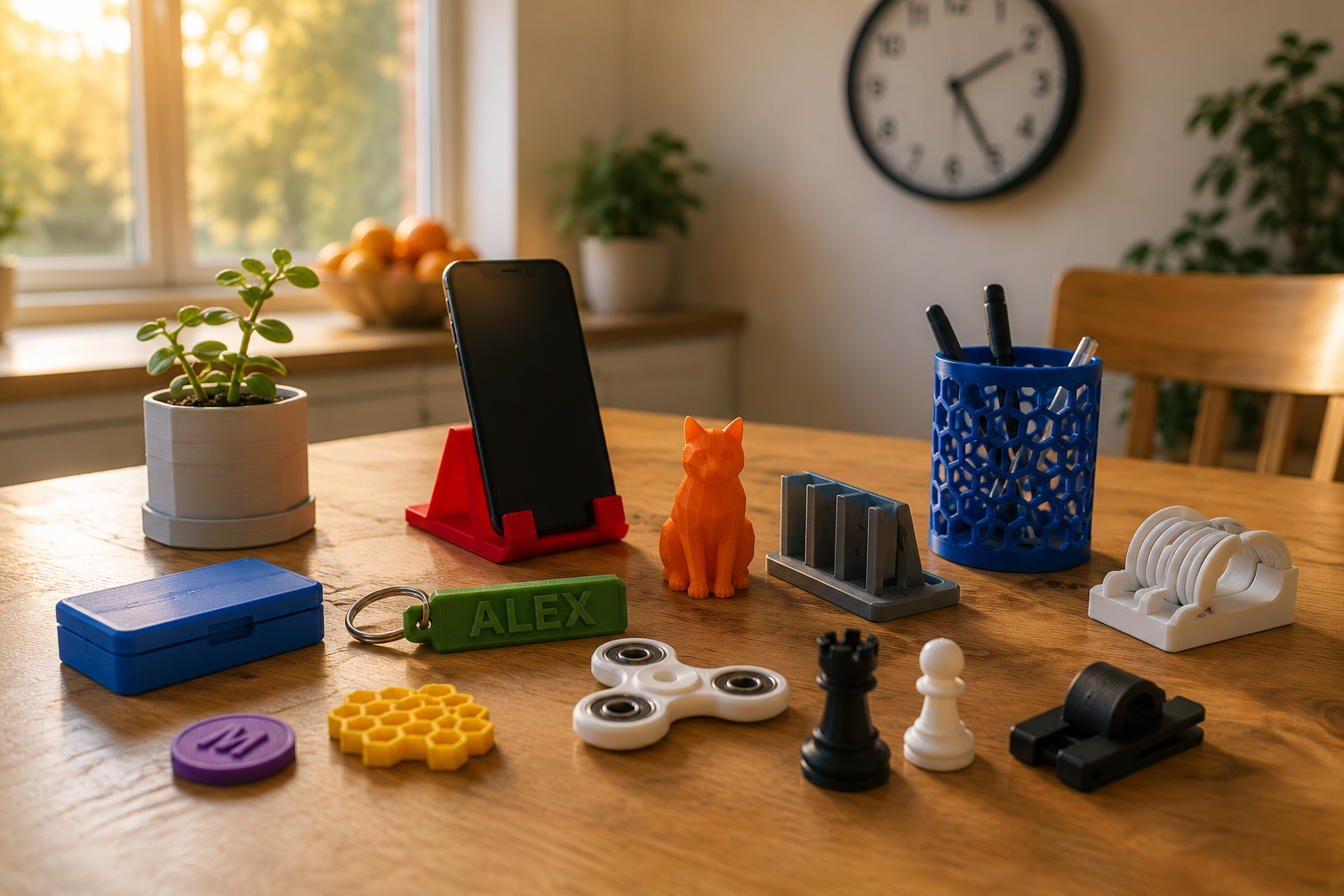
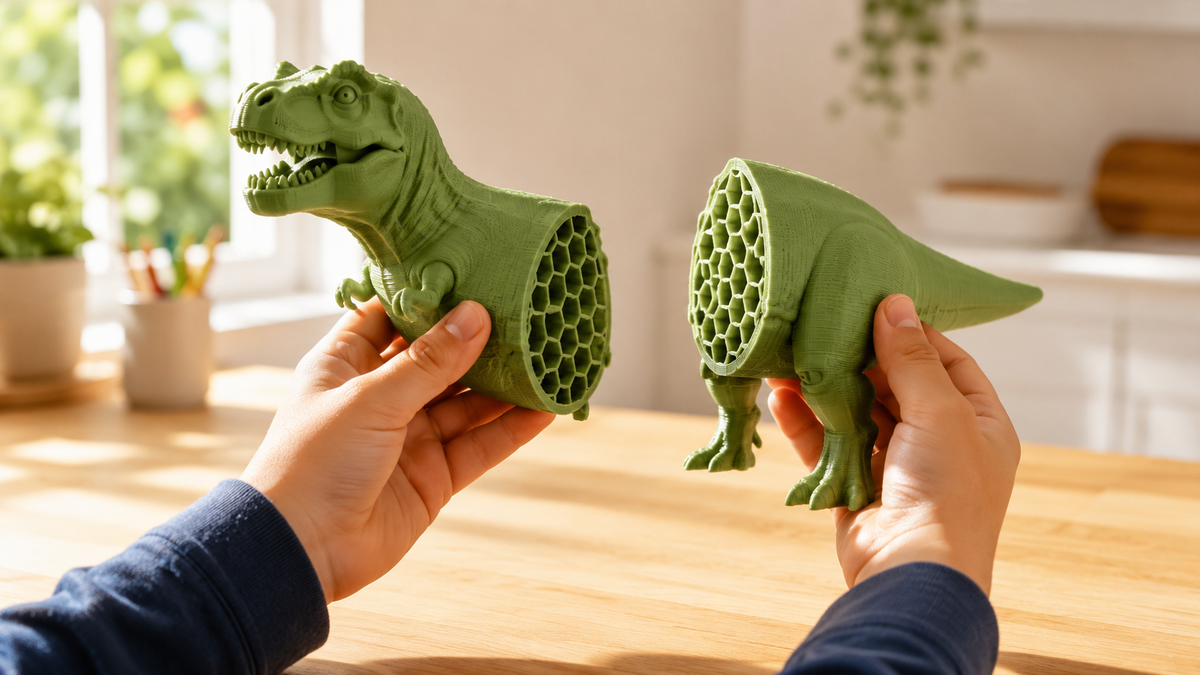
Most science gifts are finished once the experiment is over. A kids’ 3D printer tends to work the other way around, and that’s honestly the main reason we like it as a family gift. A child designs a little dinosaur, prints it, plays with it for a day, and then almost always has an idea for the next one.
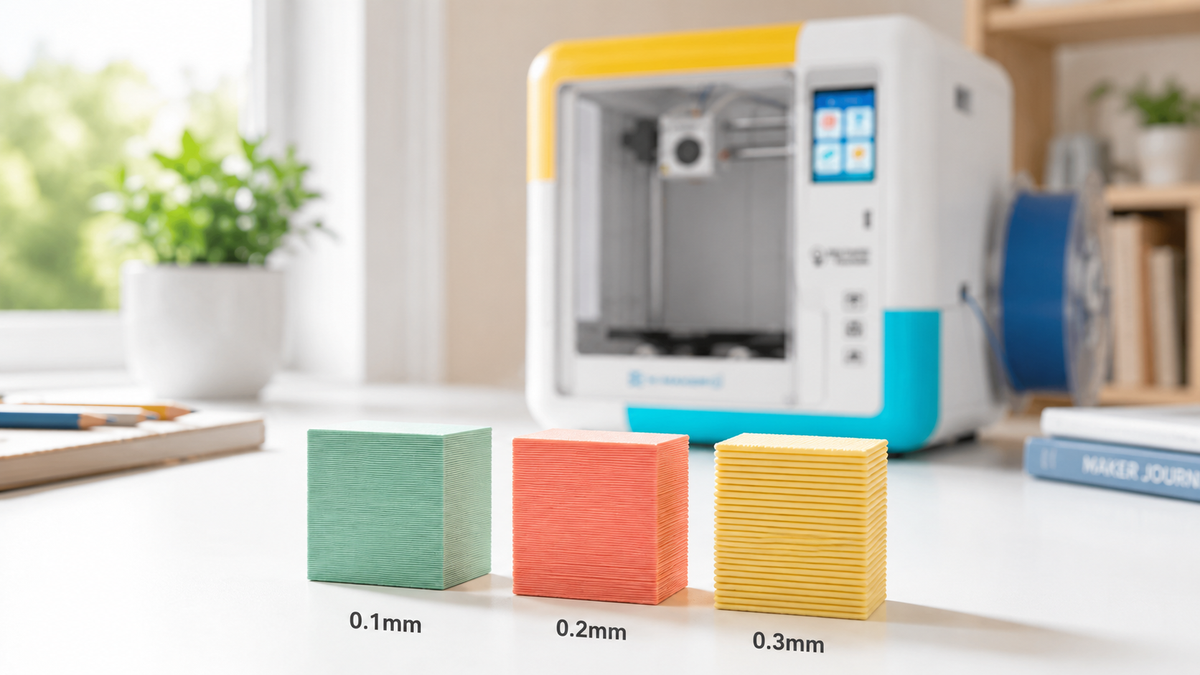
Along the way they’re measuring and figuring out why a print came out wobbly, without it feeling like homework. The tablet is only for designing, and the real play happens with the finished toy.
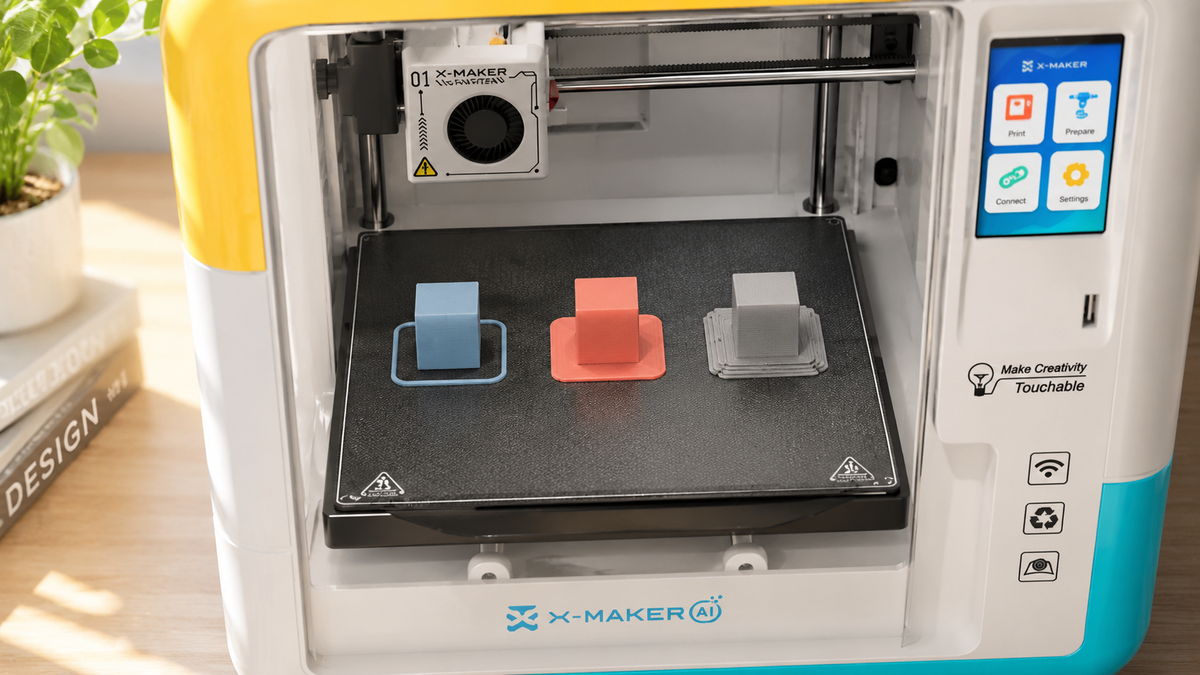
If you’re shopping for a younger maker, a guided toy-making printer for younger kids is where we’d look first, and the AOSEED X-MAKER JOY was designed with that age in mind. It’s fully enclosed, it runs from a simple app, and a parent mostly helps with setup and the first print. Kids can then pick from thousands of ready models or customize their own with 16 mini design modules.
|
Which one fits your kid |
X-MAKER JOY |
X-MAKER |
|
Recommended age |
4 to 12 |
9 to 16 |
|
Print size |
Up to 120 mm cube |
Up to 150 mm cube |
|
How it’s controlled |
AOSEED app over Wi-Fi |
Touchscreen, app, USB or SD card |
|
Great for |
A first taste of designing toys |
Bigger STEM and school projects |
|
NOT SURE WHICH ONE FITS? COMPARE AOSEED’S FAMILY-READY 3D PRINTER LINEUP BY AGE, PROJECT SIZE AND HOW MUCH HELP YOUR CHILD NEEDS. ADD-ON CREATION KITS LIKE X-RACER AND X-MUSIC TURN PRINTS INTO REMOTE CONTROL CARS AND MUSIC BOXES. |
Kit, Tool or Project: How to Decide

When to choose a kit
● Your child is new to a subject and needs a guided way in
● You’re planning one fun afternoon rather than a long project
When to choose a tool or a build project
● The interest has stuck around for months and keeps growing
● Your child would rather tinker alone than wait for you to read the next step
Conclusion
In our experience, the science gift that earns its keep is the one a child digs out again on a rainy Sunday without being asked. It usually comes down to the questions they’re already asking, a challenge a notch above what they can do today, and parts that get used more than once.
If your kid is forever making things, a 3D printer is a lovely way to let those ideas become real toys on the bedroom shelf. AOSEED’s family-friendly 3D printing platform keeps adding new models and design apps, and the X-MAKER JOY is currently $239 if you’re weighing up one bigger family gift this year.
FAQs
What to get a kid who loves science?
We’d start with whatever they can’t stop poking at. A child who catches beetles will get more from a magnifier and field notebook than a chemistry set, and a kid who builds machines out of blocks usually goes further with circuits or a small robot.
What are some good science gift ideas?
Microscopes, circuit sets, robotics kits, rock tumblers and a good experiment book all make the list. A kit is the easiest start because everything’s in the box, while a microscope will still be in use next spring.
What are the best STEM gifts for 10-year-olds?
A lot of ten year olds are ready for robotics kits, coding projects, chemistry sets and astronomy gear, since most can follow longer instructions and fix small problems on their own. Experience matters more than the birthday, though, and a child who’s already built circuits may want programmable parts while a beginner does better with snap-together pieces.
What are five unique gifts for science lovers?
Our favorites are a rock tumbler, a flashlight kit they build themselves, an owl pellet kit, a beginner microscope and a kids’ 3D printer. The tumbler takes weeks to show any change, and an owl pellet leads straight into a dinner table chat about food chains.
What is the best science toy?
It depends on the child. We’d look for something that’s a stretch but doable, and for one kid that’s a circuit set they come back to for months while another won’t put down a coding car. Toys without a single right answer last longest, since there’s always another setup to try.
What are some cool science gadgets?
Kids tend to love planetarium projectors, pocket microscopes, coding robots and kids’ 3D printers. The ones that last react to what the child does, so no two tries come out quite the same, whereas a gadget doing one trick on repeat is usually forgotten by the weekend.
What are some good scientific toys for kids?
Circuit sets, robotics kits, microscopes, building sets, coding toys and geology kits all qualify, though they suit different ages. Little kids need big pieces and obvious cause and effect, older ones can take on electronics and design software, and the best of them leave room for a child to guess what will happen and check.



Further reading
Art Gifts for Kids: Supplies, Kits and Ways to Turn Drawings Into Objects
Gift Ideas for Boys Who Love to Build, Invent and Take Things Apart

Experience Gifts for Kids: Activities, Classes and Maker Projects to Do Together