


Space Gifts for Kids: Rockets, Planets and Models to Build
Most kids who love space don’t want another poster. They want a rocket to launch off the back step, or a telescope they can point at the Moon on a clear night.
We’ve sorted the ideas below by what the child is into and how old they are. Each one also notes how much help you’ll need to give, because that’s usually what decides whether a gift gets played with or goes back in the box.
Quick Picks by Space Interest
|
If They Love |
Look For |
Ages |
Adult Help |
|
Rockets |
Foam launcher, brick rocket, model kit |
5 and up |
Medium, outdoors |
|
Planets |
Solar system model, paint your own planets |
4 and up |
Low |
|
Astronauts |
Astronaut building set, picture books |
3 and up |
Low |
|
Rovers |
Rover kit with moving wheels or an arm |
8 and up |
Medium |
|
The night sky |
Beginner telescope, star chart, projector |
6 and up |
High at first |
|
Designing things |
Kids 3D printer for custom models |
4 to 16 |
Setup only |
What Makes a Good Space Gift for Kids?
Listen before you shop. Whatever part of space keeps coming up at dinner tells you more than any gift list. For one kid it’s Mars. For another it’s black holes.
Then check the age on the box. It’s set by small parts and safety, not by how hard the build looks, so don’t go younger than it says. A 500 piece set can keep a ten year old busy all weekend and leave a six year old stuck after ten minutes.
Last, think about week two. Rebuildable sets and telescopes tend to come back out. Models that only sit there usually don’t.
|
The second Saturday test Imagine the gift two weekends from now. If your kid would still go looking for it, it’s a good buy. If you can already picture it on a shelf next to last year’s slime kit, skip it. |
Rocket Gifts to Build and Launch

Rocket gifts come in two kinds. Some get built and go on display, like a brick rocket with a launch tower and two crew figures, which works indoors from about age 6.
The others actually fly. A stomp or pump launcher with foam rockets is the easiest start, fine from around 5 in a backyard. Water rockets go much higher. They need an open field and an adult close by, so they suit kids of 8 and up. Model rocket kits are the most serious option, usually 10 and up, and the flying versions need motors that are sold separately.
Wherever you launch, stay clear of roads, trees and power lines. Skip windy days too, since light foam rockets drift. NASA’s straw rocket and Orion model projects for grades 5 to 8 cost almost nothing and go well with any rocket gift.
Planet and Solar System Gifts

Kids pick up planet names fast. Picturing how the planets actually move is harder, and that’s where a model helps.
With a build your own solar system kit, kids assemble, paint and hang the planets, and it ends up as room decor they made. A motorized planetarium moves the planets around the Sun. The scale and speed are off, but the idea of an orbit sticks. Kids who like art more than instructions usually prefer a paint your own planets kit.
Dig kits are fun and a bit messy. Children chip rocks out of a plaster block, though many use replica meteorites, so read the box if the real thing matters. A light up planet display can double as a night light. Look for one with auto shutoff.
Spacecraft, Rover and Astronaut Models

Not every space kid cares about rockets. Some draw rovers all day or want to know how astronauts sleep on the station. Check what shows up in their drawings.
Kids who love machines usually go for a rover. Get one with an arm that actually moves. History fans tend to like a shuttle with an opening cargo bay, and patient builders can take on a space station, one module at a time.
For ages 3 to 8, an astronaut set with a helmet works well for pretend missions. If your child takes every model apart the day after finishing it, get a rebuildable spacecraft set instead. One box, several ships.
Astronomy Gifts for the Real Sky

Everything above lives on a desk. These gifts get kids outside after dark, usually with a parent and a blanket.
For a first telescope, a steady tripod and easy focus matter more than the big magnification number printed on the box. A planisphere is cheaper and needs no batteries or app. It’s a rotating star chart; buy the one for your latitude.
A Moon journal costs almost nothing. Kids sketch the Moon every few nights for a month and watch the phases change. Give them a red flashlight so their eyes stay used to the dark. On cloudy nights a star projector can fill in, as long as it shows real constellations.
|
Check small parts before wrapping Rocket kits, dig kits and brick sets often come with tiny pieces. The CPSC bans small parts in toys made for children under 3. If there’s a toddler in the house, store these kits up high. |
Space Models Kids Print Themselves
Buy a rocket kit and every child gets the same rocket. With a kids 3D printer they can put their name on the fin, or print the astronaut in purple because purple is their color.
What the Child Does and Where You Help
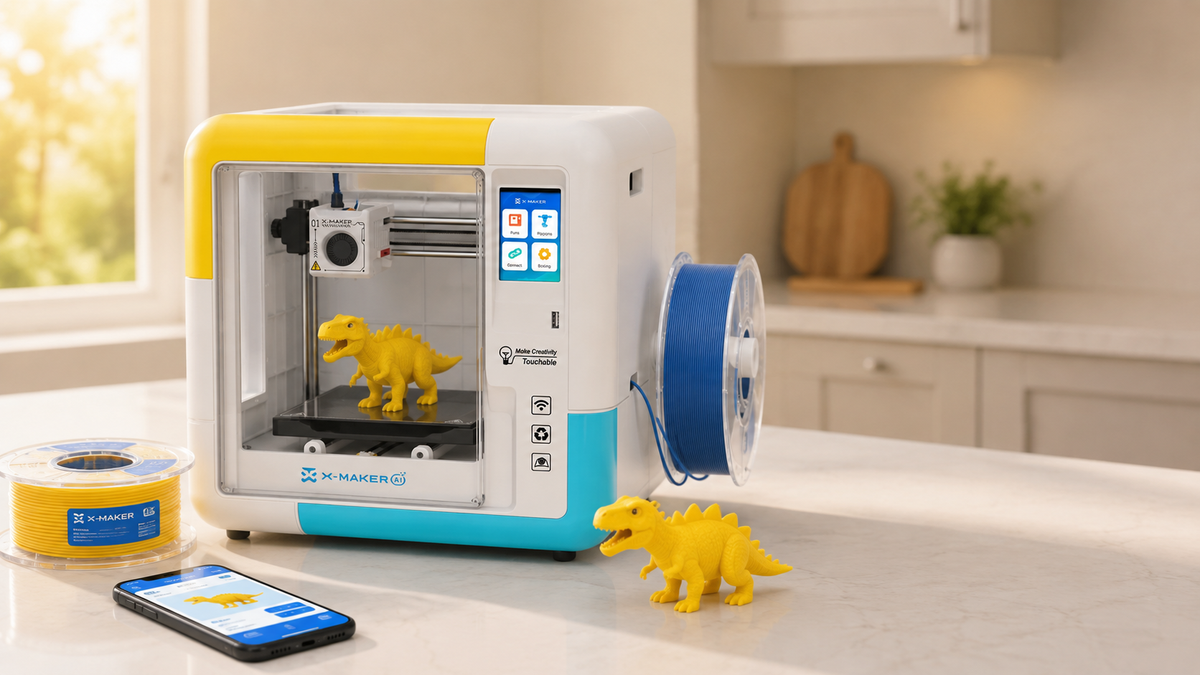
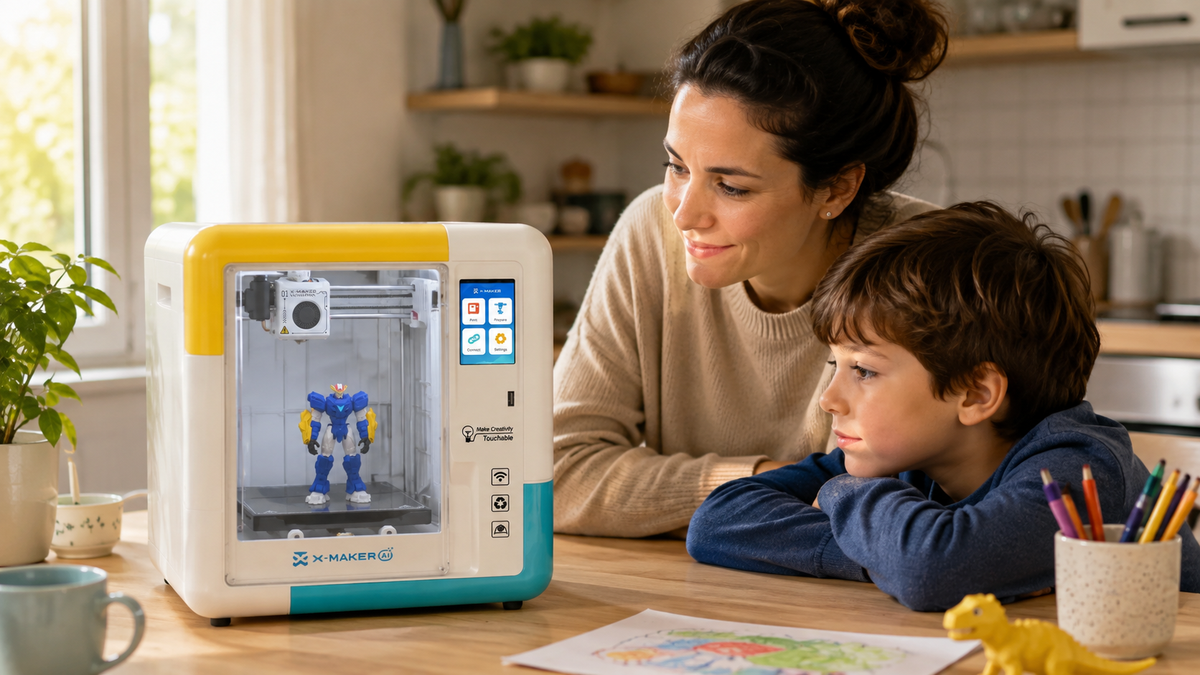
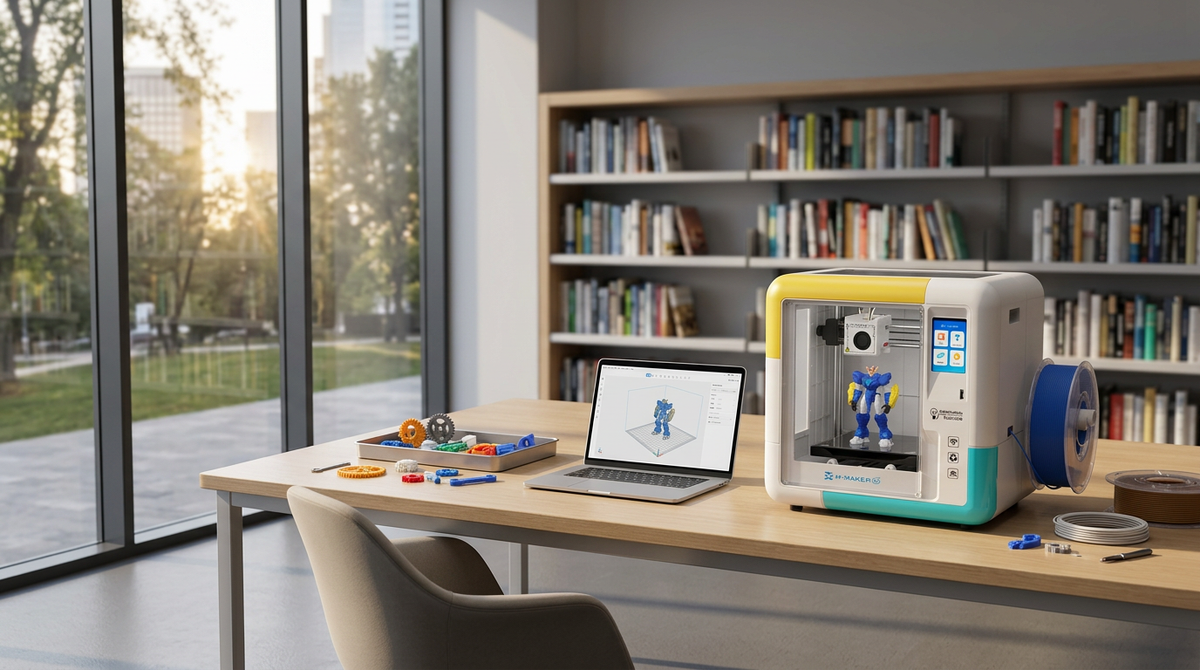
With a starter toy making 3D printer like the AOSEED X-MAKER JOY, the child does most of the creative work. The printer is fully enclosed. It prints with one tap from the AOSEED app, and kids can start from 8,000+ ready models or draw something and let the AI tools turn it into a printable design.
• Your child picks or designs the model, chooses colors and hits print.
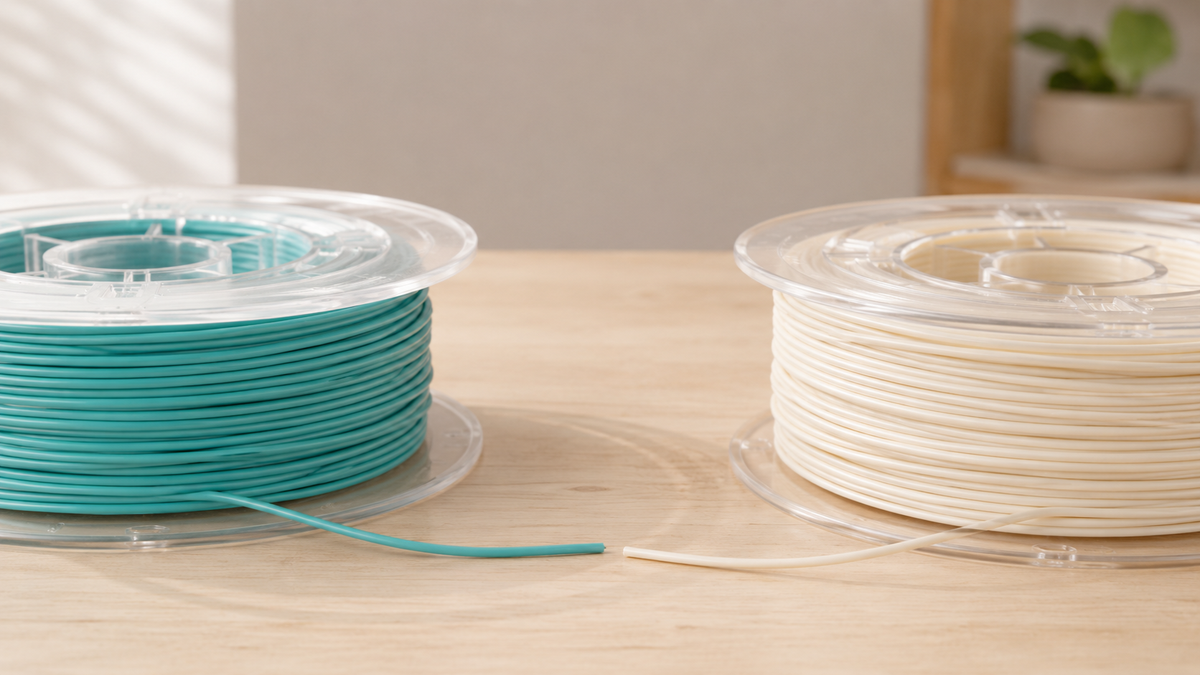
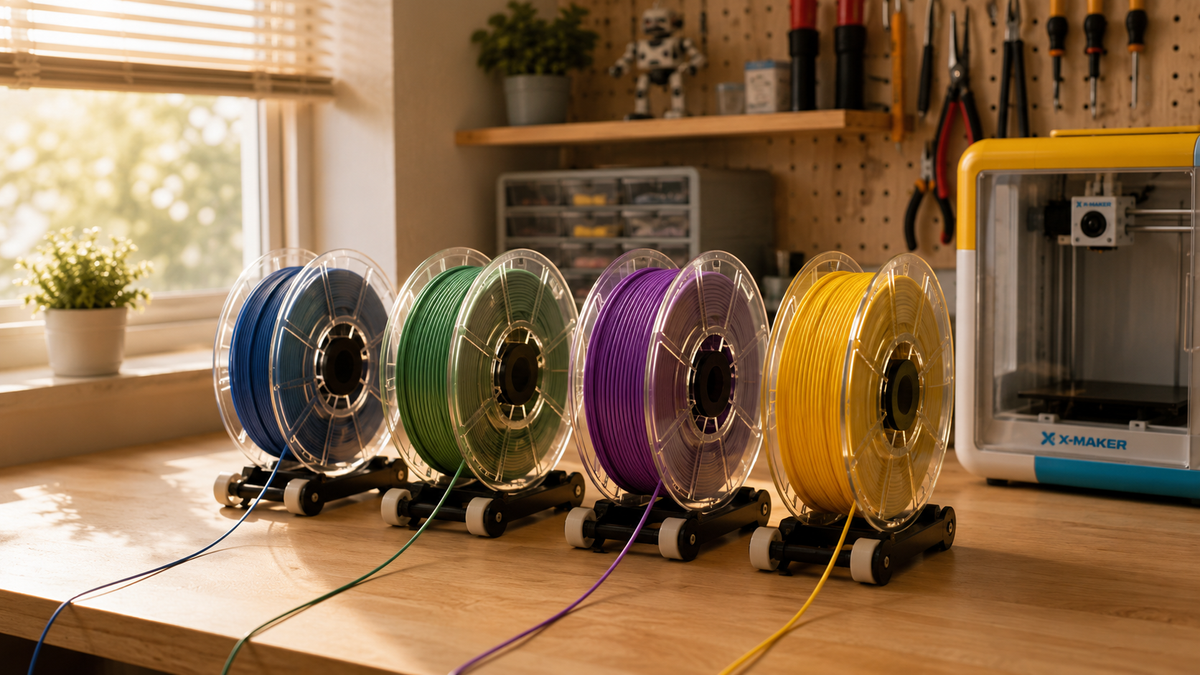
• Setup is yours: the first run, loading PLA filament, and helping lift prints off the plate.
• What to print next usually gets decided together.
|
Give the printer fresh air NIOSH notes that printing can release ultrafine particles and VOCs, and hot parts can burn. Put the printer in a room with good airflow, and keep hands out while it runs. |
|
FROM PRINT TO PLAY Prints don’t have to stay on a shelf. AOSEED creation kits turn printed parts into toy cars and music boxes. Check AOSEED’s family ready 3D printer lineup to match a printer to your child’s age. |
Space Gifts by Age
Treat the age on the box as the minimum. Your child’s skill decides how far above it you can go.
Under 6, skip anything with small parts and stick to big foam rockets and chunky astronaut figures. Six and seven year olds do well with starter brick sets and planet painting, as long as the build is short and the result shows up fast.
By 8 or 9, most kids can follow clear steps on their own. That’s when rover kits and water rockets start to make sense. Ten year olds often care more about real missions than cartoons, so a detailed spacecraft model or a first telescope fits. From about 11 it starts to look like a hobby. Micro block models and model rockets hold up well here, and so does 3D design.
When to Buy a Kit and When to Print It
Buy a kit when:
• The child wants to launch something outdoors.
• One famous spacecraft is the whole point of the gift.
Print it when:
• They want a model nobody else has, with their own name or design on it.
• A set they already own needs a stand, a launch pad or a spare part.
• Every week brings a request for one more planet.
Conclusion
Pick one interest and one skill level, and most of the decision is made for you. A six year old rocket fan and an eleven year old stargazer need very different boxes.
Some kids would rather design the models themselves. If that sounds like yours, the X-MAKER JOY is $239 at the time of writing. The X-MAKER, made for ages 9 to 16, is $359, and you can compare both on AOSEED’s toy creation ecosystem.

For free projects to go with any of these gifts, NASA JPL keeps a list of free family activities with foam rockets and rovers.
FAQs
What to buy a kid who loves space?
Start with whatever they talk about most. A Mars fan will probably love a rover kit. A kid who points at the Moon every night is ready for a beginner telescope, and one who fills notebooks with spaceships may want to design their own on a kids 3D printer.
What are some good space presents for kids?
Hands on ones. A foam rocket launcher or a solar system model gets more use than a decoration. NASA Space Place also has free space games and activities to go with them.
What are some good NASA gifts for kids?
Models named after real missions work well. A Saturn V or a Mars rover gives kids something to look up afterward, and mission patches make cheap add ons. For younger kids, the NASA Kids’ Club has free games about astronauts in orbit.
What are some good space related gifts?
Plenty beyond rockets. A planisphere counts. So does a meteorite dig kit, or a pack of glow stars for the ceiling. Builders usually want a kit, and the kid who’s always outside is probably ready for a telescope.
What are some good presents for space lovers?
Gifts that lead somewhere. A telescope turns into regular Moon nights. A spacecraft model often sends kids off to read about the real mission, and a 3D printer lets them keep adding planets and rockets for months.
What are some good space toys for a 10 year old?
Longer builds with real instructions. Most ten year olds can manage a rover kit with moving parts or a model rocket with an adult nearby. The X-MAKER is made for ages 9 to 16 and suits kids who want bigger models.
What are cool gifts for 10 year olds?
Something with a real challenge and a bit of independence. Logic puzzle games work at this age, and so do robotics kits and 3D design. Aim for a project that takes more than one sitting.
What are some cool gifts for kids?
Anything they come back to. Building sets and kids 3D printers keep producing new projects. In our experience, a toy that does one trick is usually forgotten by the next weekend.


Further reading
Space Gifts for Kids: Rockets, Planets and Models to Build

Useful Gifts for Kids They Will Actually Use, Including Things They Can Print

Engineering Gifts for Kids: Toys and Kits That Teach How Things Work


