

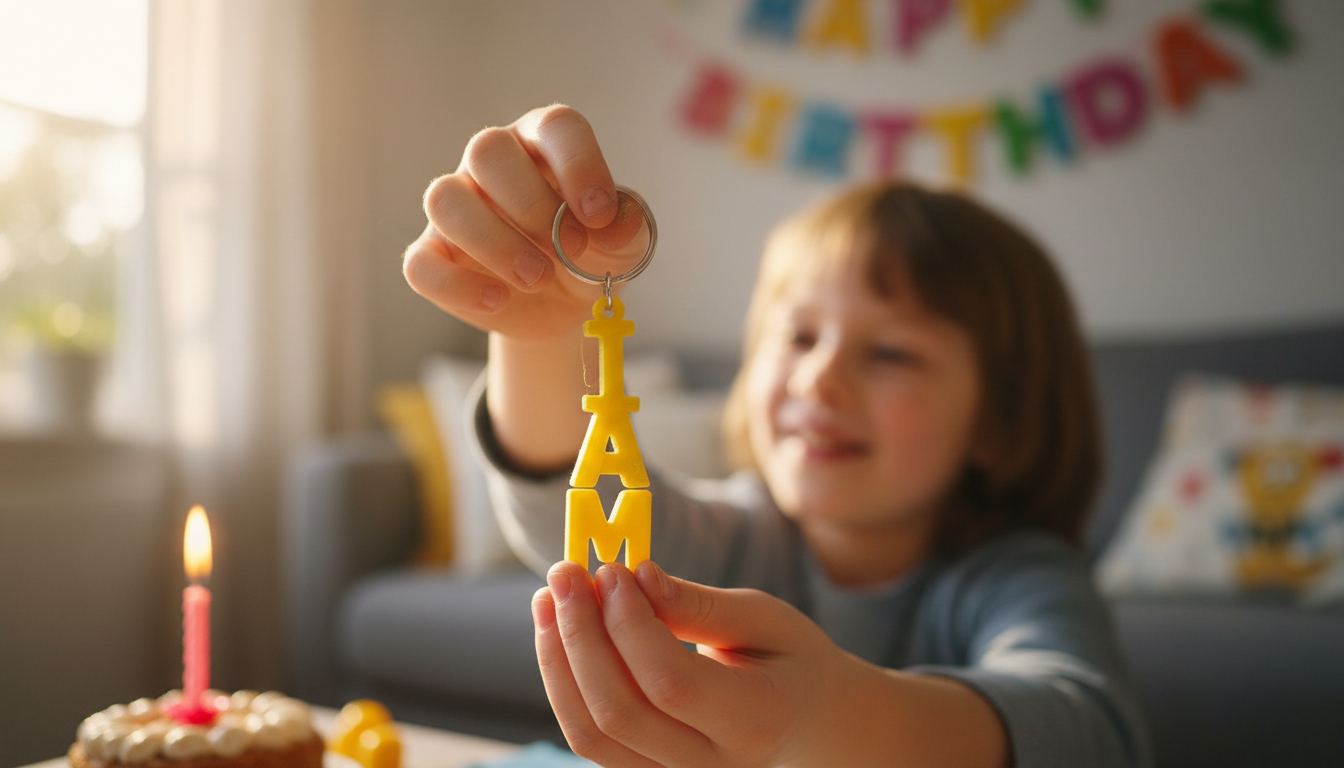
Creative Birthday Gift Experiences for Kids Who Like Making Things
The classic birthday problem: a wrapped toy gets unwrapped, plays for a weekend, then disappears under the bed. For a kid who loves to make things, that pattern hits harder. Maker kids don't want to consume a toy. They want to build one.
This guide skips the toy aisle. It covers gift experiences that match how maker kids actually play — where the gift is the activity, not the object. Most cost less than a major franchise toy. All of them last longer than the birthday weekend.
Why Experiences Beat Wrapped Toys for Maker Kids

A maker kid's attention isn't on what they have. It's on what they're working on. Give them a sealed-up finished toy and they'll often crack it open within the week to see how it works. That's not bad behaviour — it's the same instinct that makes them future engineers, designers, and inventors.
The fix isn't a bigger toy. It's a different kind of gift.
The Difference Between a Gift and an Experience
A toy is finished when it arrives. An experience starts when it's unwrapped and keeps going. A LEGO set is closer to an experience than a sealed action figure. A 3D printer is closer to an experience than a LEGO set.
Experience gifts share three things: the kid drives what gets made, the activity unfolds over weeks not minutes, and there's always a next session.
What Maker Kids Actually Want
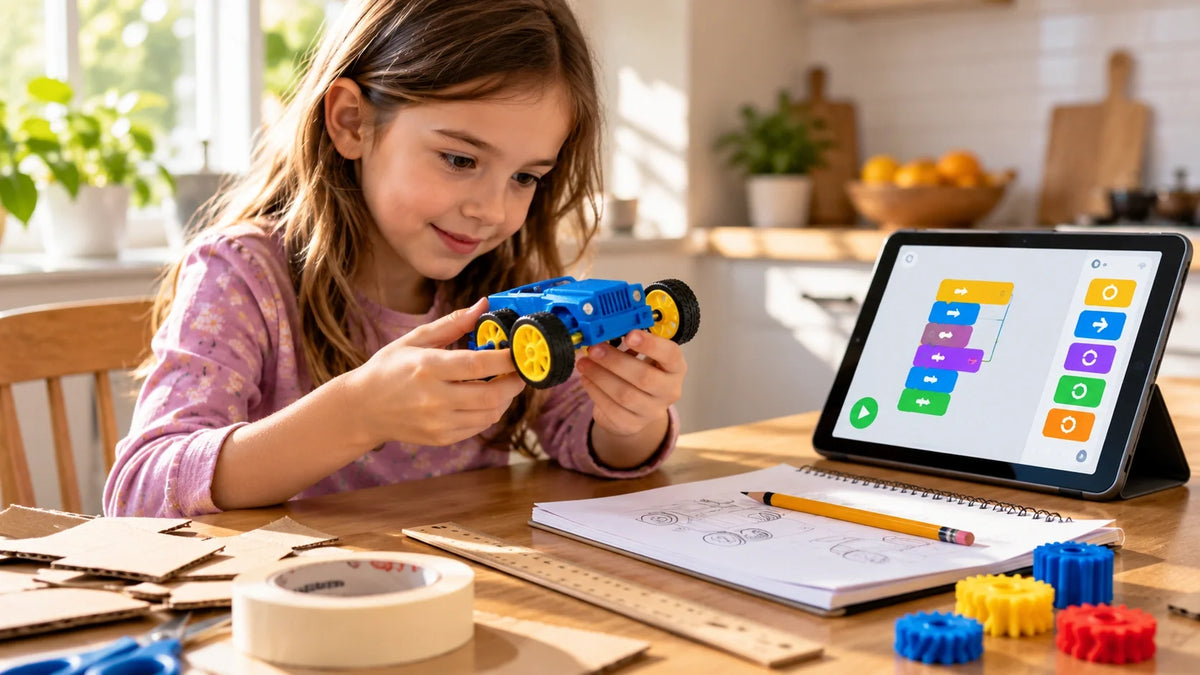
Watch a maker kid at a birthday party. They'll skip the games to take apart a fidget toy. They'll ask for the box the gift came in. They'll narrate aloud while building, name their creations, redesign the rules of a board game halfway through the second round.
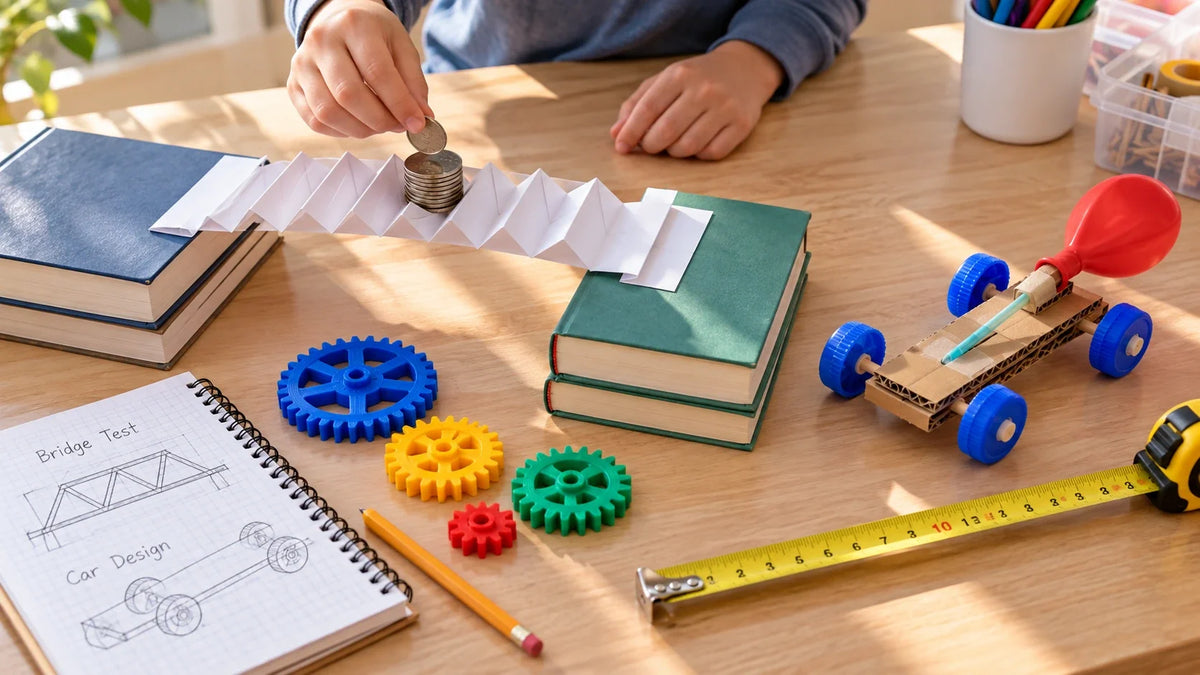
What they want isn't more stuff. Tools, time, permission to make a mess.
The Birthday Day Cliff
Most birthday gifts peak on day three. After that, the toy joins a shelf, then a bin, then a donation pile within six to nine months. For maker kids, this cliff hits faster — the toy can't keep up with their next idea.
A gift experience flattens that curve. The activity stays interesting because the kid is the one driving where it goes next.
Eight Maker Gift Experiences That Earn Their Shelf Space
These birthday gift experiences for maker kids are built for parents who want gifts that last beyond one afternoon. Use the table below to compare cost, skill fit, and what each option helps a child make or learn.

Eight options, sorted by what they cost and what they unlock. Pick one that fits the kid you have, not the kid the box on the shelf imagines.
|
# |
Experience |
Best Age |
Approx Cost |
What Makes It Work |
|
1 |
Build-your-own-toy session |
6–12 |
$0 if a printer is already on hand |
The first-print moment — a finished toy by lunch. |
|
2 |
Design-and-print birthday party |
7–12 |
$80–$200 per party |
Four to six kids each take home a thing they designed. |
|
3 |
Maker subscription box |
7–14 |
$20–$40 per month |
One curated project a month, no parent planning required. |
|
4 |
Workshop class (in-person) |
8+ |
$30–$100 per session |
Peer learning + access to tools you don't own. |
|
5 |
Material starter kit |
6+ |
$40–$120 |
Filament, parts, sandpaper, glue, primer — the building blocks. |
|
6 |
Tools-of-their-own gift |
10+ |
$25–$150 |
A sketch pad, calipers, beginner CAD account, or labeled toolbox. |
|
7 |
Project journal + planning kit |
7+ |
$15–$40 |
A place to draw, log builds, and track what to make next. |
|
8 |
Mentor or peer making time |
9+ |
Free–$60 |
A weekend with an older maker — uncle, neighbour, classroom buddy. |
Why These Eight, and Not Another Eight
Each one solves a specific problem maker kids run into. Number 1 fixes the blank-printer-staring-at-them problem. Number 2 turns a birthday party into a memory instead of a sugar crash. Numbers 5 and 6 graduate a kid from 'using a parent's tools' to 'owning their tools.' Number 3 keeps the year fresh after the printer becomes routine.
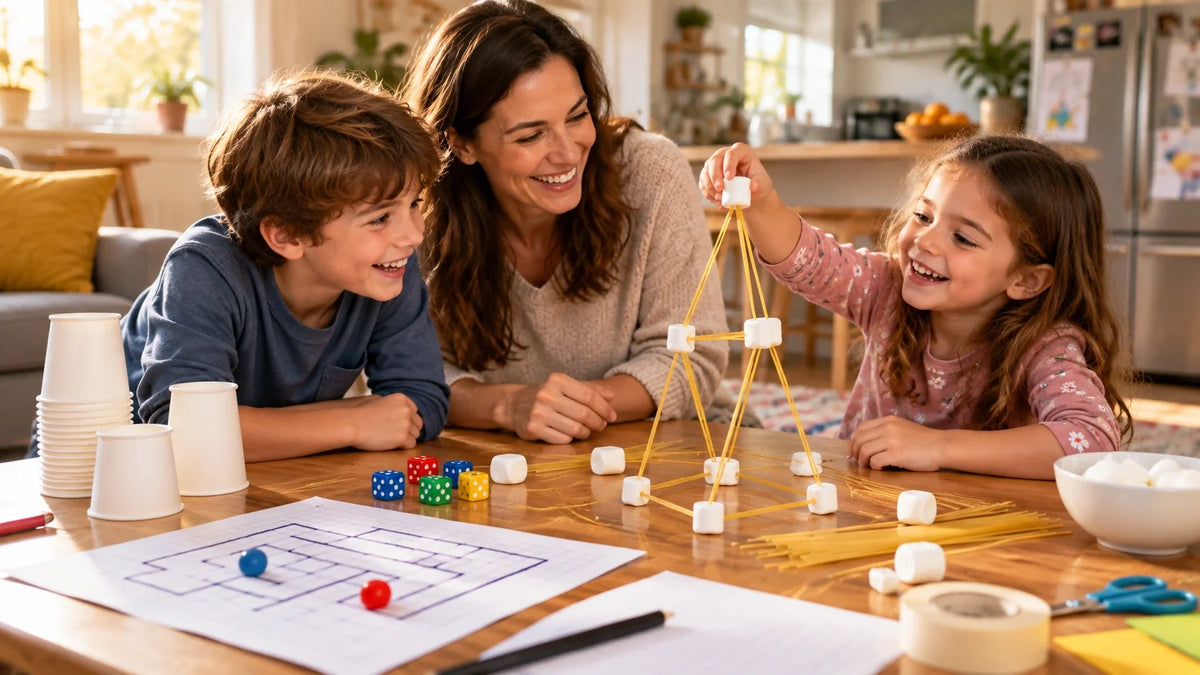
Mix them. A subscription box paired with a small material kit fits most birthdays under $80. A printer paired with a one-class workshop turns into a six-month routine.
Why 3D Printing Hits the Sweet Spot
For a maker kid, a 3D printer is not a one-day gift. The first print might be a dragon keychain, a mini robot, or a custom name tag for their backpack. That small project creates the “I made this” feeling, then the printer keeps giving them new reasons to design, test, and build for years.
Three things make it work as a birthday gift: the personalization is unlimited, the failure rate is part of the lesson, and the cost-per-project is low enough that experimenting is cheap. A 15-gram printed toy uses about $0.50 of PLA.
The First-Print Moment
There's a specific look a kid gives when something they designed comes off a build plate. It's not the same as opening a box. It's quieter, more focused — they want to touch the warm plastic before anyone else does. That moment is impossible to manufacture and impossible to replicate with a pre-made gift.
Custom Means Custom
A name plate. A pawn for a board game that matches a favourite character. A keychain shaped like the family pet. None of these exist in a store. A maker kid who can print them realizes within a week that catalogs are now boring — they can already make the thing.
Why Enclosed Matters for a Birthday Gift
For families giving a printer as a gift, enclosure isn't a feature checkbox — it's a safety baseline. Open-frame printers expose 200°C nozzles. A printer with a fully enclosed build area, like a guided toy-making printer for younger kids, keeps hot parts behind a door. That matters in a home with siblings, pets, and birthday-party guests.

|
SMALL PARTS — CHECK BEFORE GIVING For children under 3, any part smaller than 1.25 inches is a choking hazard. The CPSC toy safety guidelines apply to 3D printed items exactly as they do to manufactured toys. If younger siblings are in the home, choose chunky designs and store small finished pieces in a closed bin. |
Matching the Gift Experience to the Age

Age isn't just a number on the box — it's a planning tool. The same gift category lands very differently at 5, 9, and 13.
|
Age Group |
Best Maker Gift Experiences |
Watch Out |
|
Under 6 |
Crayons and paper, chunky building blocks, simple chunky 3D-printed animals (printed by an adult) |
Anything sharp, anything with detachable small parts, tools without supervision |
|
Ages 6–9 |
Kid-friendly enclosed 3D printer, beginner subscription box, simple paint kit, easy fidget builds |
Adult-grade tools, complex multi-step kits, open-frame printers |
|
Ages 10–14 |
STEM-focused 3D printer, in-person workshop class, project journal, calipers, beginner CAD course |
Nothing — almost any thoughtful maker gift fits this range |
|
14+ |
Advanced printer or upgrade, soldering kit with a class, mentorship time, custom toolbox |
— |
Setting Up the Experience So It Actually Happens

Most maker gifts do not fail because they are wrong. They fail because no one planned how to set up the first session. For parents choosing birthday gift experiences for maker kids, the real gift starts when the child opens the box and knows exactly what to make first..
Pick the First Project Before Birthday Day
If the gift is a 3D printer, choose the first print before the wrapping comes off. A name keychain. A small spinning top. Something that finishes in under 60 minutes. The first print sets the tone for everything that follows.
For a subscription box gift, line up Saturday morning as project time. For a workshop class, book it the week after the party — close enough to ride the birthday energy, far enough away to avoid burnout.
Time Block and Workspace
Block the first weekend after the birthday. Two hours on Saturday morning beats four hours scattered across a week. A flat, stable table with an outlet nearby. A printer table that wobbles is a printer that prints crooked. Families comparing models can browse beginner 3D printers for families sorted by age band and enclosure type.
The Hand-Off Ritual
How a gift gets handed over matters as much as the gift itself. Don't just put a printer in front of a child and walk away. Sit down. Open the box together. Read the first three steps. Make the first print together. Then step back.
For activity gifts, AOSEED's step-by-step project guides cover filament loading, first-layer checks, and beginner troubleshooting — the boring-but-critical pieces a child shouldn't have to figure out on their own.
|
THE FIRST-PRINT MOMENT This is when a child stops seeing a machine and starts seeing their tool. Don't rush it. The ten quiet minutes of watching the first print finish are often the most engaged a maker kid will be all weekend. |
Beyond Birthday Day — Keeping the Spark

The gift's job isn't to entertain on day one. It's to still be in use on day ninety.
Weekly Project Habits
Pick a day. Saturday morning works for most families. One short project a week — a counter, a tag, a small toy — keeps the printer warm and the kid engaged. Skipping a week is fine. Skipping a month is when projects start dying.
The Project Library Loop
A maker kid's pile of finished projects matters. A shelf, a bin, a wall. When the gift comes with a place to display what gets made, it stops feeling like a one-off toy. The display is part of the experience — every visible build is also a prompt for the next one.
Sharing and Mentoring
The fastest way to extend a maker gift's life is to give the kid an audience. A grandparent who asks about the newest print. A school show-and-tell. A neighbour's birthday where the kid prints the gift. Sharing is what turns the printer into part of the kid's identity, not just a hobby.
Common Birthday Gift Mistakes for Maker Kids

Most of these are well-meaning. All of them are fixable.
|
Mistake |
Why It Fails |
Better Approach |
|
Wrapped finished toy as the main gift |
Day-three cliff hits faster for maker kids |
Tool, kit, or printer that opens new builds |
|
Adult-grade tool with no lesson attached |
Frustration + safety risk |
Same tool, bundled with a first-class or first-project plan |
|
Generic subscription box that doesn't match interests |
Boxes pile up unused after month two |
Project box matched to the kid's actual obsession |
|
3D printer with no first-project plan |
Sits unopened for weeks |
Print queued and ready before birthday day |
|
Workshop class scheduled on the same day as the party |
Overstimulation — the class doesn't land |
Schedule the class for the following weekend |
|
Gift card to a craft store with no follow-up |
Sits in a drawer for six months |
Same gift card + a planned trip with the kid to spend it |
Conclusion
The best birthday gift for a maker kid isn't the most expensive one. It's the one still being used in October.
That happens when the gift comes with structure — a first project, a time block, a hand-off moment, a place to display what gets made. Without those, even a great gift collects dust. With them, even a small kit becomes the start of a habit.
For families ready to make a 3D printer the birthday centrepiece, AOSEED's family creativity platform pairs an age-banded printer ladder with a Toy Library that updates weekly — the next project is always queued before the last one cools. The same setup runs in over 5,000 schools on exactly this rhythm: one project a week, low pressure, kid-led. A guided STEM 3D printer for older kids and tweens isn't valuable because of its first print. It's valuable because of its tenth.
Don't pick the gift that will impress at the party. Pick the gift that will still be making something three months later.
|
THE MAKER-KID GIFT MINDSET Tools, time, permission. The gift that earns its shelf space isn't the prettiest one in the wrapping — it's the one your kid is using on a quiet Wednesday in March. |
FAQs
best birthday gift for a kid who loves making things?
A tool, kit, or printer that opens new builds. Skip wrapped finished toys — they peak on day three.
What age is good for a 3D printer as a birthday gift?
Most enclosed kid-friendly printers fit ages 6 and up with adult setup. AOSEED X-MAKER JOY targets ages 4–12; X-MAKER targets 9–16.
How much should I spend on a birthday gift for a maker kid?
Under $50 buys a starter kit or project box. $200–$400 buys a beginner kid-friendly 3D printer. First-session planning matters more than dollar amount.
Are 3D printers safe to give to kids?
Yes with an enclosed build area and adult-handled hot parts. CPSC small-parts rules still apply to printed pieces for kids under 3.
What if the kid already has a 3D printer?
Filament colours, a project journal, a workshop class, or calipers. The next gift after a printer is usually a tool, a material, or a community.
How do I run a maker birthday party that actually works?
Pick one buildable craft, four to six kids max, a two-hour window. Have take-home pieces ready before guests arrive.
Are project subscription boxes worth giving?
Yes if the box matches the kid's specific interest. Generic boxes that arrive unprompted often pile up unopened.
Can a 6-year-old actually use a 3D printer?
With adult-handled setup and supervision, yes. Look for enclosed hot parts, one-press app printing, and an age-appropriate model library.
Sources
- U.S. Consumer Product Safety Commission, Toy Safety Education Center — federal toy safety standards and small-parts choking-hazard rules for children's products
- Autodesk Tinkercad, free browser-based 3D design tool for kids, classrooms, and beginner maker projects
- Make: Magazine, maker community projects, workshops, and family-friendly gift roundups
- Exploratorium Tinkering Studio, research and pedagogy team studying hands-on, constructionist learning through making
- Printables — Toys & Games, community-verified 3D model library hosting kid-friendly toys and family projects
- AOSEED Kids 3D Printer Collection, enclosed kid-friendly 3D printer lineup sorted by age band for homes and classrooms


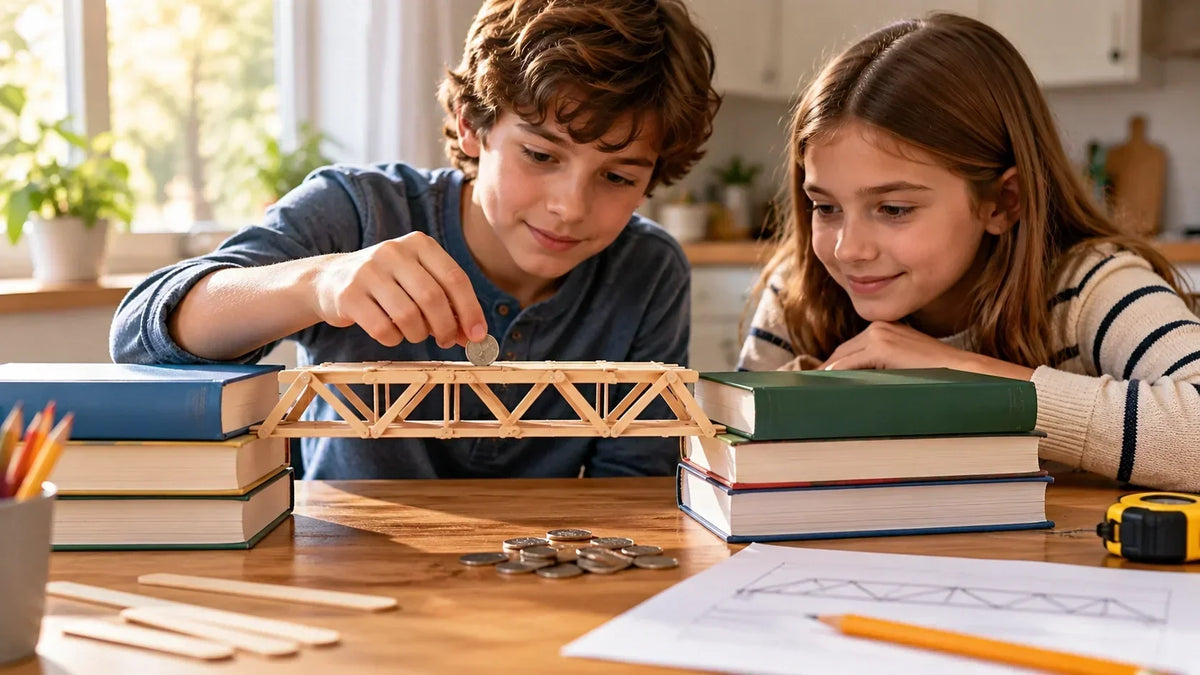

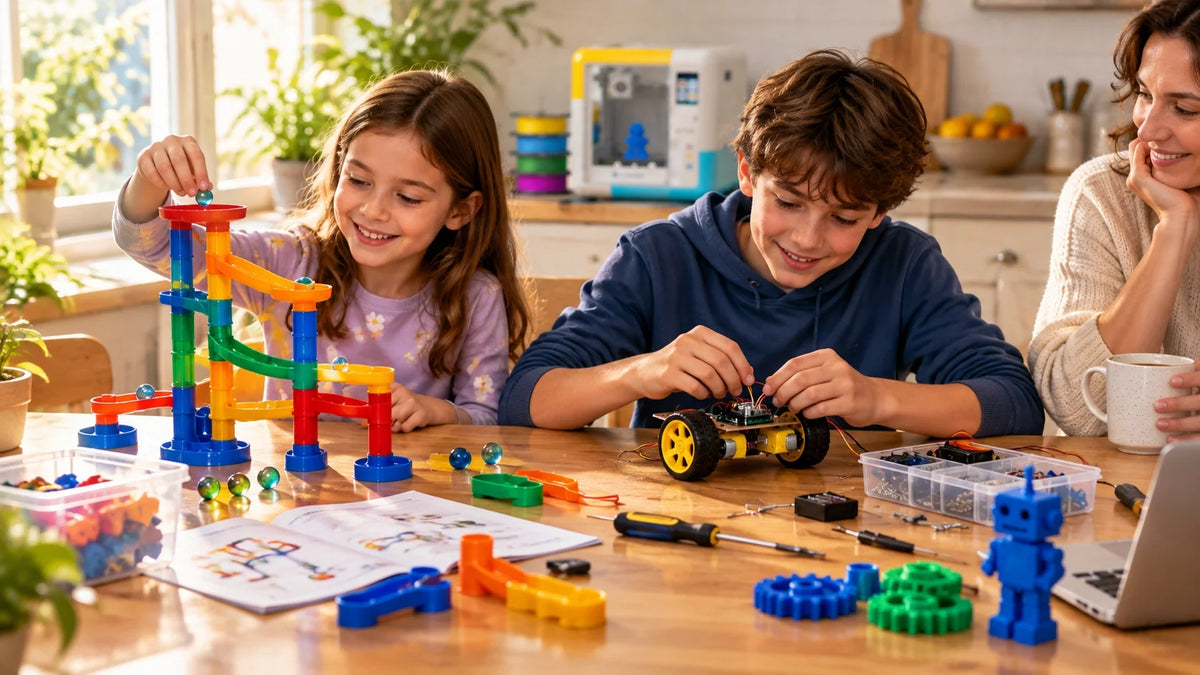
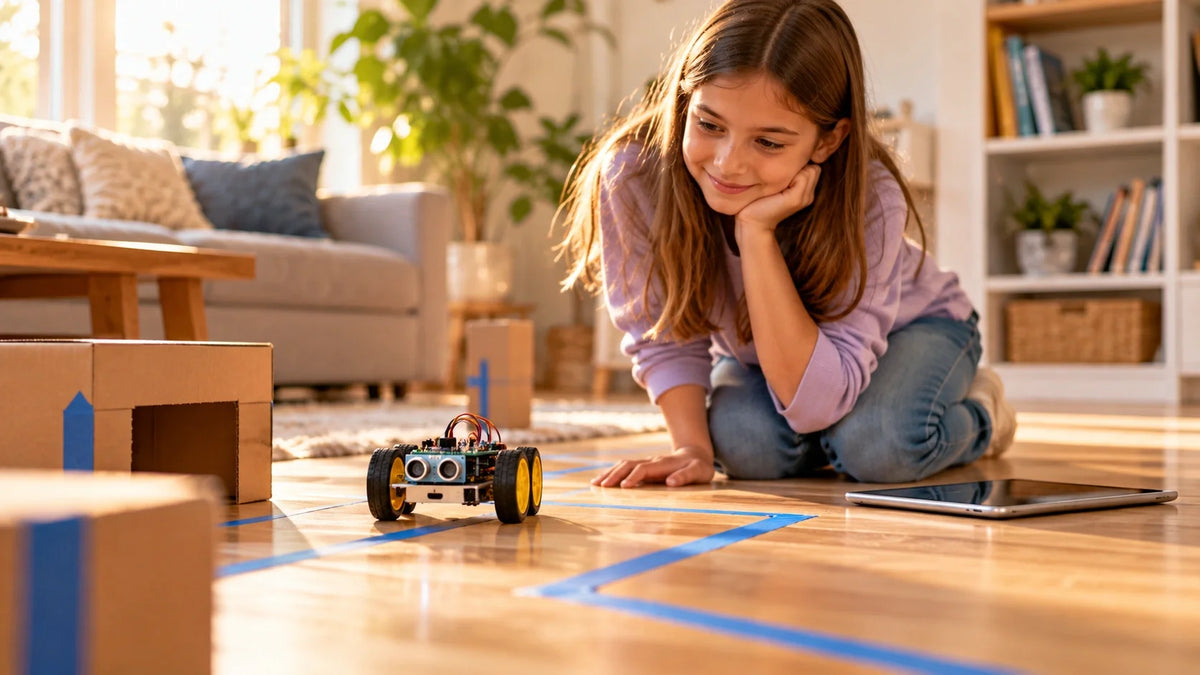
Further reading

Graduation Gifts for Kids: Keepsakes for Kindergarten to Fifth Grade

How to Clean a 3D Printer: A Routine for Families

3D Printer Filament Holder: Options, Setup and a Version You Can Print


